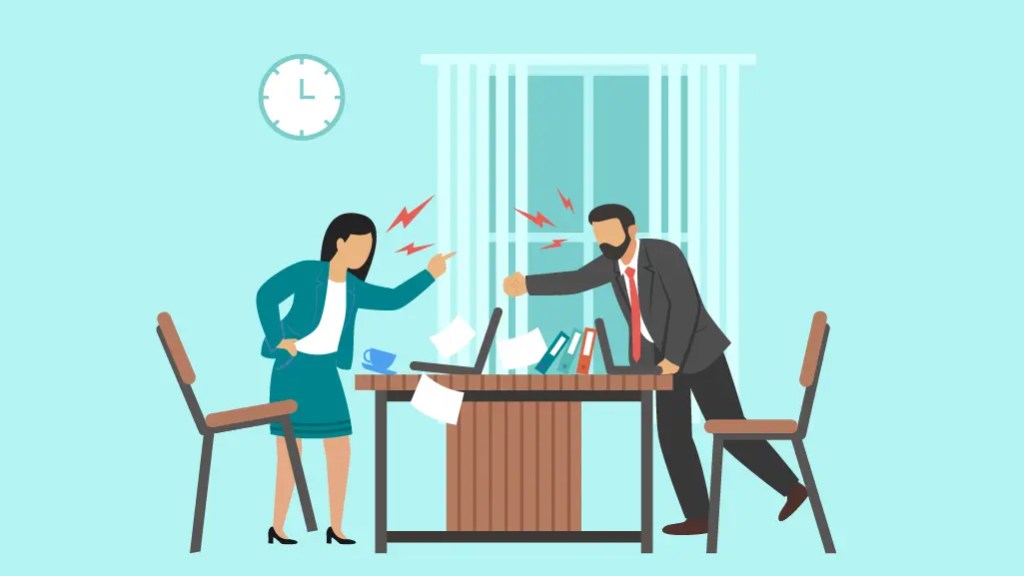
Microaggressions in the workplace may seem small, but their impact isn’t. These subtle, often unintentional slights can wear down an employee’s productivity and confidence, well-being, and sense of belonging over time. True inclusion means more than avoiding blatant bias; it means addressing the quiet behaviors that quietly erode trust.
The good news is that leaders now have smart, AI-powered tools to spot these moments early. With real-time feedback and sentiment tracking, companies can build cultures where people feel safe, respected, and seen, before issues turn into patterns.
What Is Microaggression?
Microaggressions are the small, often unnoticed comments or actions that make people feel excluded or judged, whether it’s because of their race, gender, age, ability, or background. These moments might seem minor or unintended, but they leave a lasting impact.
Here’s what makes them important to address at work:
- They show up in casual conversations, behaviors, or even through company culture.
- They’re usually rooted in biases people don’t even realize they have.
- Over time, they chip away at trust, make people feel unsafe, and lower team morale.
- Left unaddressed, they can lead to disengagement or even push people to leave.
If we want teams to thrive, we need to notice these patterns and fix them. Creating an environment where everyone feels respected starts with paying attention to the details.
The Power of Engagement Platforms in Tackling Microaggressions
Modern employee engagement platforms give leaders a smarter, more proactive way to address microaggressions before they escalate. Rather than waiting for formal complaints, these tools create real-time awareness and early intervention opportunities.
Here’s how they help:
- Anonymous feedback channels: Employees can safely speak up, knowing their identity is protected.
- Pulse surveys: Short, regular check-ins help track how people feel and flag cultural red flags early.
- Trend detection: Automated tools analyze feedback for patterns, making it easier to spot recurring issues across teams or departments.
- Resource hubs: Easy access to company policies, reporting steps, and support systems ensures people know where to turn.
By putting these tools in place, companies can move from reactive to responsive and build a culture where inclusion is actively protected.
Common Microaggressions in the Workplace
Here are ten subtle behaviors that may seem harmless but can leave a lasting negative impact. Leaders should watch for these signs and address them directly:
- Backhanded Compliments: “You’re so articulate” or “You’re great at this for your age” may sound kind but often reveal hidden bias.
- “Where Are You Really From?” This question can make people feel like outsiders, even if they’ve lived here all their lives.
- Mansplaining and Interruptions: Speaking over others, especially women or people of color, undermines their expertise and confidence.
- Assuming Roles Based on Gender: Expecting women to take notes or men to avoid caregiving roles reinforces outdated expectations.
- Color-Blind Language: Saying “I don’t see color” might feel inclusive, but it dismisses real, lived experiences.
- Tokenization: Turning to the only woman or person of color in the room to speak for an entire group can feel isolating.
- Stereotyping by Association: Assuming someone’s strengths, weaknesses, or values based on background instead of who they are.
- Jokes About Identity: Even “just a joke” about race, gender, or religion can alienate and hurt others.
- Ignoring Contributions: Overlooking ideas from certain team members, especially repeatedly, sends a quiet but clear message of exclusion.
- Environmental Microaggressions: A lack of visible diversity in leadership, policies, or branding tells people they don’t belong, without saying a word.
How engagement platforms help
Digital tools can play a crucial role in preventing and addressing microaggressions at work. Here’s how:
- Anonymous Reporting: Allow employees to safely share concerns without fear of backlash, making it easier to raise sensitive issues.
- Pattern Detection: Spot recurring themes in feedback so leaders can respond to trends, not just individual cases.
- Education and Awareness: Offer learning resources that help employees recognize subtle biases and change behaviors for good.
Why Immediate Action Matters
Overlooking microaggressions can quietly unravel culture and performance. The impact is real:
- Lower Engagement: Employees who feel slighted are less motivated and less invested in their work.
- Declining Performance: Constant stress from subtle bias affects focus, confidence, and creativity.
- Fractured Teams: Trust breaks down when harmful behavior goes unchecked, weakening collaboration.
- Higher Attrition: People leave when they don’t feel seen, respected, or supported.
- Brand Reputation: A workplace known for exclusion struggles to attract and keep great talent.
Taking action, early and consistently, shows employees that inclusion isn’t optional. It’s a priority.
How Engagement Prevents Microaggressions
Leaders shape the culture every day, and with the right tools, they can stay ahead of issues before they escalate. Here’s how employee engagement platforms help:
Open Feedback Channels
- Set up anonymous surveys and suggestion tools so employees feel safe sharing concerns.
- Regular pulse checks help track mood and uncover early warning signs.
Spot Issues Early
- Use feedback data to find common themes or tension points.
- Don’t wait for formal complaints, act on what you see, early and often.
Share Clear Expectations
- Keep respectful behavior front and center.
- Make sure everyone knows the policies and how to report problems when needed.
Support and Educate
- Give employees access to learning tools, counseling, or mediation support.
- Visibility matters: people should know where to go and who’s listening.
Lead by Example
- Show what inclusive leadership looks like.
- Be willing to reflect, listen, and respond with care in team settings.
Recognize Positive Change
- Celebrate when the culture improves.
- Share real examples, and use platform insights to show the impact of your efforts.
Building a Culture of Respect and Belonging
Microaggressions may seem small, but over time, they leave a big mark. The good news? When leaders know what to look for and use the right tools, real change is possible.
Understanding the impact of microaggressions, learning to spot them, and acting early are key steps toward building a stronger, more respectful and positive workplace.
With solutions like AdvantageClub.ai, HR teams and managers can uncover what’s going on, support their people better, and create a culture where everyone feels seen, valued, and able to do their best work.
 Advantage Club Blogs