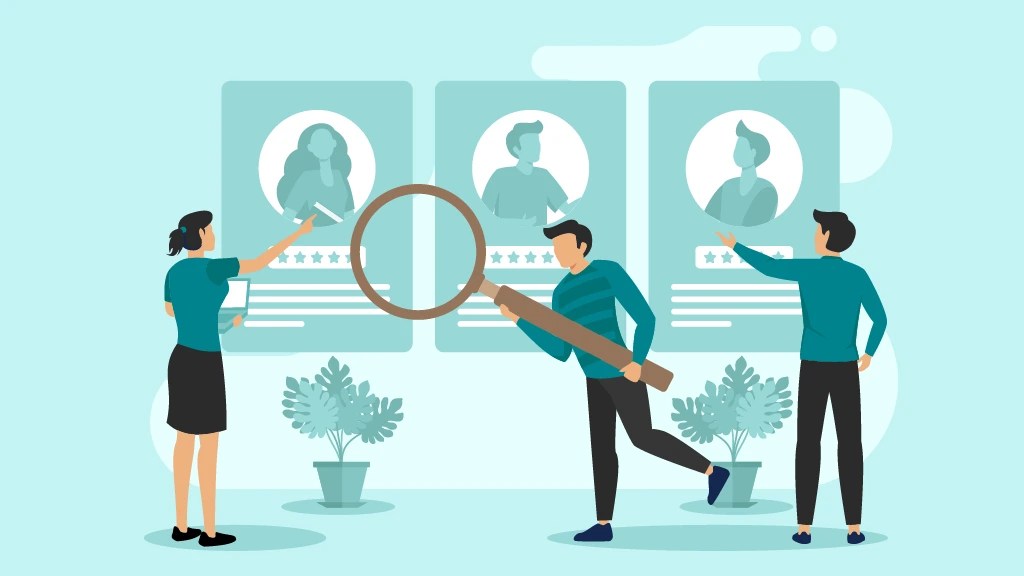
Many companies invest heavily in diversity programs, with the right intentions. But despite the effort, real change often feels out of reach. Why? Because lasting inclusion doesn’t come from one-off workshops or annual reports. It comes from everyday behaviors.
Too often, programs fall short because the tools don’t match the goal. Feedback is slow, engagement is inconsistent, and there’s little support for making inclusion part of the daily employee life cycle.
What moves the needle? Small, consistent actions backed by the right systems, like timely recognition, regular pulse surveys, mood check-ins, wellness support, and spaces where every voice is welcome. That’s how diversity becomes more than a policy; it becomes part of how teams show up every single day.
Why Traditional Diversity Programs Fall Short
HR teams are familiar with the pattern: a new diversity initiative launches, people are excited at first, but over time, the energy fades, and the culture doesn’t shift. Here’s where things often break down:
- One-and-done training: Annual diversity workshops rarely stick. Without regular reinforcement, people forget, and old habits return.
- Over-reliance on numbers: Tracking headcount alone misses the real story. Inclusion isn’t just about who’s in the room; it’s about who feels like they belong.
- Too little feedback: When surveys are too rare or too broad, real issues stay hidden. Teams don’t feel heard, and leaders miss key signals.
- Recognition gaps: Individuals who do the work to foster inclusion often go unrecognized. When no one acknowledges it, the momentum fades.
To create a truly inclusive culture, organizations need a more hands-on, consistent approach, something that brings feedback, recognition, and support into the everyday rhythm of work.
Reimagining Engagement: Continuous Feedback and Connection
Today’s most effective diversity efforts don’t rely on checklists or once-a-year meetings. Instead, they focus on staying connected, listening regularly, employee autonomy, and responding promptly.
1. Real-Time Recognition
Recognizing inclusive behavior and hard work as it happens helps build a stronger, more connected culture. When appreciation is timely and visible, it reinforces what matters most.
-
Encouraging Immediate Positive Actions
Acknowledging someone’s effort right away helps create a feedback loop of good behavior. People are more likely to repeat actions that are noticed and valued in the moment. -
Reaching Every Employee
Make sure recognition isn’t limited to a few star performers. Inclusive recognition makes everyone feel seen, especially those whose work often goes unnoticed behind the scenes. -
Valuing Underrepresented Groups
Regular, meaningful recognition of team members from underrepresented backgrounds helps build belonging. It shows their efforts don’t go unnoticed. Real-life examples include a quick “thank you” in the team chat, a callout during all-hands, or a visible shoutout on the company’s recognition wall. The best tools make this easy for everyone, not just managers, to take part in.
2. Pulse Surveys and Polls
Short, consistent check-ins: Pulse surveys are brief and focused. Sent weekly or monthly, they ask employees for quick feedback on how they’re feeling or how inclusive their environment feels right now.
Why they work: Their simplicity drives participation. Instead of a long annual form, employees respond quickly, offering honest insight more often.
Sample prompts:
- “Do you feel included in team decisions this week?”
- “Can you be yourself at work right now?”
Pulse polls work much the same way. They’re perfect for gauging reactions to new changes, spotting patterns, and helping HR teams take action before issues grow.
3. Mood-o-Meter: Tracking Sentiment in Real Time
A mood-o-meter lets employees share how they’re feeling that day, anonymously and without pressure. It takes just a click, but it says a lot.
Why it matters:
- Catch morale dips early: Seeing a shift in daily sentiment helps teams act fast before frustration builds.
- Improve emotional communication: Regular mood sharing encourages openness and empathy, making teams stronger.
- Support quick decisions: Leaders can respond faster when they know how their team is doing, adjusting priorities or support as needed.
Used alongside pulse surveys, mood-o-meters create a fuller picture of team well-being and keep the conversation going all year.
The Foundation for True Behavioral Change
What truly sets successful DEI programs apart is embedding practical, everyday tools into the hands of managers and employees, shifting the focus from box-checking to real employee engagement.
1. Continuous, Dynamic Employee Engagement
Fostering a healthy, connected workplace requires more than just policies on paper. Creating real change means engaging employees through consistent, meaningful interactions that promote trust and openness.
- Pulse surveys and polls: Frequent, focused check-ins help capture what employees are experiencing in real time, not just once a year.
- Anonymity and honesty: Private mood-o-meter responses and confidential surveys allow for open, honest feedback, especially on sensitive topics.
- Real-time recognition: Acknowledge achievements and inclusive behavior right when they happen, so no effort goes unseen or unappreciated.
2. Inclusion Metrics That Go Deeper
Effective platforms go beyond demographics. They measure what really matters: inclusion, involvement, and the feeling of belonging.
- Representation with context: Monitor diversity across roles, leadership, and career paths, not just overall headcounts.
- Sentiment and mood trends: Use tools to track emotional tone across teams and understand where support is needed.
- Holistic metric blend: Combine numbers with stories. Mix quantitative data with real-time feedback to understand the whole picture.
3. Holistic Wellness Programs
Supporting people as whole individuals, not just workers, is essential to any meaningful inclusion strategy.
- Wellness offerings: Provide flexible programs like inclusive yoga, fitness, and mindfulness sessions that meet people where they are.
- Mental health: Give employees access to therapy, self-care days, and mental health resources without stigma.
- Social connection: Design initiatives that build trust and togetherness across teams and cultures.
When employees feel cared for in all aspects, they show up more engaged, productive, and ready to contribute fully.
4. Building Inclusive Communities
DEI efforts succeed when employees feel they’re part of something real, not just policies, but a supportive culture.
- Employee resource groups: Encourage peer-led groups and inclusion councils to shape culture from within.
- Celebrating diversity: Make space for different identities through events, cultural spotlights, and open dialogue.
- Establishing safe spaces: Foster a workplace where people feel secure enough to share honestly and participate fully.
Platforms like AdvantageClub.ai support the tools needed to turn intention into impact, helping companies build inclusive cultures that last.
At-a-Glance: Old vs. New Practices
|
Traditional Approach |
Modern Engagement Approach |
|
Annual diversity training |
Ongoing pulse surveys and mood check-ins |
|
Recognition now and then |
Real-time acknowledgment for everyone |
|
Broad, generic policies |
Inclusive programs focused on wellness and belonging |
|
Teams working in silos |
Connected, inclusive communities across the organization |
|
Feedback that’s delayed or unclear |
Quick, regular insights leaders can act on immediately |
How to Get Started
- Start small with pulse surveys and quick polls in one team to spot early needs and wins.
- Recognize both individual and team efforts in real time, and make praise timely and visible to boost employee empowerment.
- Add a simple mood check-in to daily standups or weekly team huddles.
- Roll out wellness programs that support your team’s physical, mental, and social needs.
- Foster inclusion with open forums, employee groups, and regular celebrations of diverse cultures.
The Future: Engagement That Drives Real Change
The best diversity programs today go beyond checklists; they focus on daily connections, genuine belonging, and overall well-being. By using real-time recognition, regular pulse surveys, mood check-ins, and inclusive wellness efforts, HR leaders can build more than a plan. They create a workplace where people feel heard, seen, and supported every day.
With tools from AdvantageClub.ai, these efforts become easier to manage and more meaningful, turning DEI goals into real, lasting impact through everyday actions.
 Advantage Club Blogs