Managers today are carrying more responsibility than ever, a reality that is directly contributing to rising manager burnout across modern organizations. They lead distributed teams, respond to rising employee expectations, and try to keep up with constant engagement signals. At the same time, limited visibility and recognition gaps make it hard to see who needs support, encouragement, or appreciation in the moment.
The problem isn’t effort. Most managers care deeply about their teams. The real challenge is scale. Traditional support models, periodic reports, delayed feedback, and manual check-ins can’t keep up with the pace of modern work.
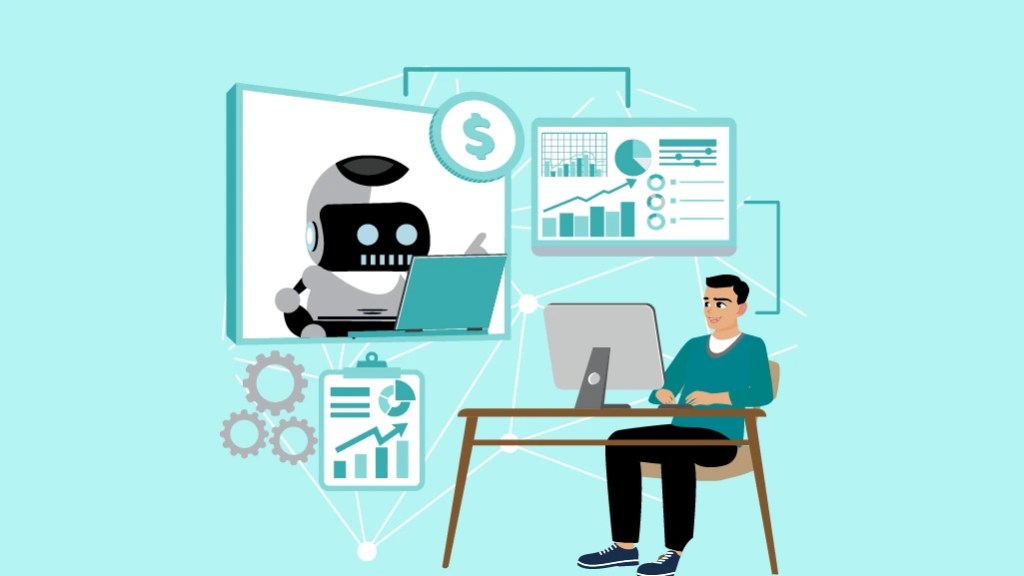
This is where AI for managers starts to add real value. Not by replacing leadership judgment, but by supporting it. Used well, AI acts as a daily enabler, reducing mental overload, highlighting what needs attention, and helping managers engage more consistently across their teams.
Instead of reacting late or guessing priorities, managers gain clarity. Real-time signals, relevant insights, and simple guidance help them act at the right moment, without changing how they already work.
1. Real-Time Guidance for Better Decisions
For managers, “real-time” doesn’t mean constant alerts or interruptions. It means support that shows up only when it’s genuinely useful.
Effective AI tools for overwhelmed managers focus on relevance, not noise. They provide:
- Timely nudges linked to real situations
- Prompts that reflect what’s happening across the team
- Clear signals that help managers focus on what matters most
This kind of guidance supports day-to-day leadership by enabling:
- Timely recognition and appreciation
- Early visibility into disengagement risks
- Simple suggestions for peer-to-peer recognition that reinforce positive behaviors
From a business perspective, the benefits are practical and measurable:
- Faster, more confident decision-making
- Lower manager fatigue and burnout
- Stronger employee motivation through timely acknowledgement
Instead of relying on memory or guesswork, managers get clarity exactly when action is needed.
2. Personalized Dashboards That Cut Through Noise
Generic dashboards often overwhelm rather than enable. They show too much data and too little direction, using one-size-fits-all metrics that don’t reflect how managers actually lead.
Personalized dashboards, powered by AI manager productivity tools, change this dynamic.
They enable:
- Role-specific views tailored to manager responsibilities
- Clear team-level engagement snapshots
- Visibility into recognition frequency and gaps
- Strong employee visibility without micromanagement
The most effective management AI solutions focus on:
- Actionable signals instead of vanity metrics
- Simple visual cues that guide decisions
- Human-centric product design that feels intuitive, not analytical
When dashboards are personalized, managers spend less time interpreting data and more time acting on it.
3. Scaling Best Practices for Managers
One of the least visible challenges in organizations is consistency. High-performing managers often lead through intuition and experience, but those best practices don’t always spread. This reflects a broader shift toward generative AI in talent management, where insights are used to guide leaders rather than dictate behavior.
AI for managers helps close this gap.
By analyzing engagement patterns across teams, AI can:
- Identify behaviors that consistently drive positive outcomes
- Suggest proven actions in similar scenarios
- Scale quality leadership without enforcing rigid rules
Examples of AI-driven guidance include:
- Knowing when to recognize effort versus outcomes
- Understanding how often to encourage peer-to-peer recognition
- Highlighting which engagement actions deliver the strongest engagement lift
This approach respects individual leadership styles while ensuring employees receive a more consistent experience across the organization.
4. Engagement Tracking Without Micromanagement
Traditional tracking often feels evaluative, which can slow adoption and create resistance. Engagement competency tracking takes a different approach. It focuses on visibility and improvement, not judgment. This shift aligns closely with continuous performance management, where progress, feedback, and recognition evolve in real time rather than through infrequent reviews.
Healthy engagement tracking looks at patterns over time, such as:
- How consistently recognition shows up
- How teams respond to appreciation
- Who is participating in recognition moments
- Signals that point to motivation or disengagement
Rather than measuring performance, the goal is to understand engagement trends and where support is needed.
AI tools for overwhelmed managers support this by:
- Tracking signals quietly, without manual input
- Highlighting growth-focused insights instead of scores
- Acting as enablement tools, not monitoring systems
The outcome is practical and human-centered:
- Managers become more aware of their impact
- Team dynamics improve naturally over time
- Engagement feels fairer and more inclusive
By shifting from control to support, AI becomes easier to trust and easier to use.
5. Human-Centric AI That Strengthens Culture
Despite growing adoption, some concerns remain:
- Fear of over-automation
- Loss of human judgment
- Cultural misalignment
Modern AI for managers addresses these concerns by design.
The most effective systems prioritize:
- Human-in-the-loop decision-making
- Transparency in how insights are generated
- A supportive, non-directive tone
Agentic AI can play a subtle role here, as an optional layer that autonomously supports routine engagement actions while remaining aligned with manager intent and organizational values. This is especially true with agentic AI in workplace recognition, where AI supports routine engagement actions while remaining aligned with human intent.
When AI respects human judgment, it strengthens culture instead of controlling it.
Business and Culture Outcomes That Matter
When manager enablement is done right, outcomes follow naturally.
AI-powered support leads to:
- Stronger recognition and appreciation habits
- Higher employee visibility across teams
- More consistent engagement behaviors
- Reduced dependency on HR intervention
For HR and people leaders, this translates into:
- Scalable manager support models
- Healthier, more resilient engagement cultures
- Predictable engagement lift across functions
The value lies not in technology itself, but in how it reinforces everyday leadership behaviors.
Why Managers Are Overwhelmed and How AI Helps
Managers today face a unique mix of pressures:
- Too many tools that don’t talk to each other
- Engagement signals that arrive after it’s already too late to act
- Inconsistent recognition and appreciation across teams
- Very little time to make thoughtful people decisions
Even strong, experienced leaders struggle when insights are scattered, and most actions feel reactive rather than intentional.
This is where AI for busy managers becomes useful. Instead of adding more dashboards or reports, AI works quietly in the background. It connects patterns across teams and highlights what needs attention right now.
AI for managers helps by:
- Providing real-time guidance instead of delayed reports
- Identifying patterns in engagement and recognition behaviors
- Supporting better decisions without increasing administrative work
The outcome isn’t more data. It’s a clearer focus and better timing.
The Future of Augmented Management
The next generation of managers won’t lead alone. They’ll work alongside AI as a quiet support system, one that helps them make better decisions, recognise effort consistently, and stay connected to their teams without adding more work.
The shift is already underway. AI for managers is no longer optional or experimental. It’s becoming a core part of how modern leadership operates, especially in fast-moving, distributed workplaces.
AdvantageClub.ai is building tools that support this kind of leadership by combining real-time signals, recognition-focused design, and practical manager enablement. When used thoughtfully, these tools help managers stay present and human while operating at scale.
The real opportunity for HR leaders is clear: equip managers with AI that strengthens judgment rather than replacing it, supports recognition rather than automation for its own sake, and improves the employee experience without creating noise. The future of management isn’t about control or surveillance. It’s about clarity, support, and helping leaders show up better, every day.
 Advantage Club Blogs