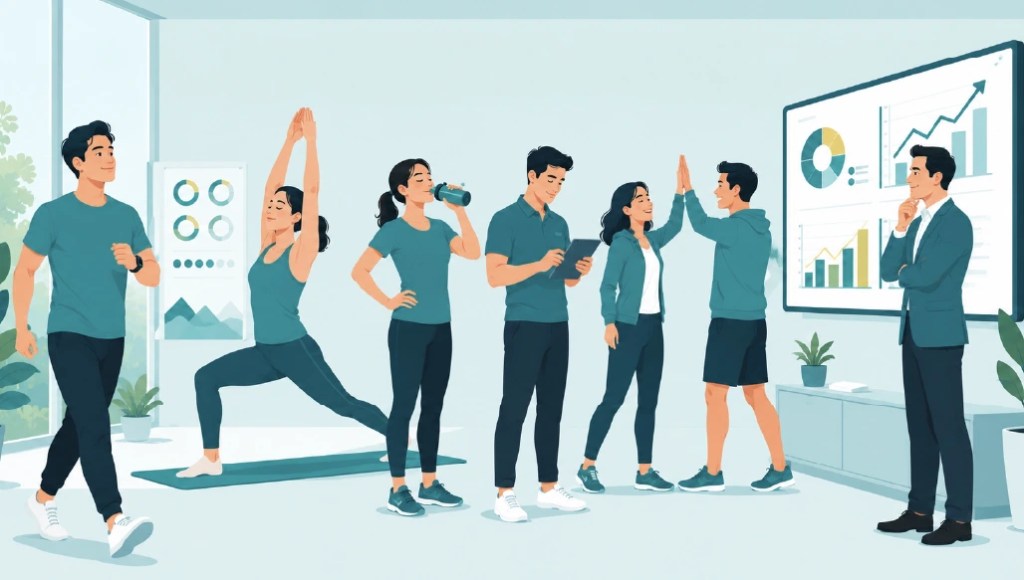
A step challenge may seem like a simple workplace activity, but for many organizations, it serves a bigger purpose. Wellness challenges give employees a reason to move more, connect with colleagues, and engage more actively in the employee wellness program. For employers, they also create opportunities to strengthen engagement and encourage positive habits across the workforce.
The bigger question is whether those efforts translate into measurable business outcomes. HR teams are often asked to justify wellness spending, especially when budgets are under scrutiny. This is where employee wellness program ROI becomes an important consideration. While participation rates are useful, they rarely tell the full story. A challenge that attracts hundreds of employees may still fall short if it has little effect on engagement, retention, or workplace morale.
Data from wellness benefit utilization, employee wellbeing analytics, and workplace wellness metrics make it easier to understand which wellness initiatives are delivering results.
Why Employee Wellness Program ROI Matters More Than Ever
A high participation rate may look promising, but it does not always reflect whether employees are benefiting from a comprehensive workplace wellness program. That is why employee wellness program ROI matters.
The Business Challenge Behind Wellness Programs
HR leaders often face three common challenges:
- Proving value to leadership teams
- Sustaining employee participation over time
- Identifying which initiatives deliver the greatest impact
This is where corporate wellness program measurement becomes essential.
What Should HR Teams Measure?
Instead of focusing only on attendance, organizations should monitor:
- Participation rates
- Challenge completion rates
- Employee feedback scores
- Recognition activity
- Repeat participation
- Retention indicators
- Absenteeism trends
These workplace wellness metrics provide a more complete picture of wellness program effectiveness.
Here are five wellness challenge ideas and the metrics employers can use to measure their impact.
1. Step Count and Movement Challenges for Active Workdays
Movement challenges are a simple way to get employees more active while adding an element of fun to the workday. Step-count competitions, in particular, are easy to launch and can work well across different teams, locations, and job roles.
Why Frontline Workers Benefit from Movement Challenges
For manufacturing workers, retail associates, and healthcare professionals, movement challenges can:
- Encourage healthier daily habits
- Increase interaction among team members
- Help employees stay energized during shifts
- Foster a sense of common purpose among different departments.
Digital tracking tools also make it easy for employees to participate, regardless of their schedules or shift patterns.
ROI Metrics to Track
Measure outcomes using:
- Participation rate
- Daily activity engagement
- Challenge completion rate
- Repeat enrollment in future challenges
- Attendance trends during challenge periods
These workplace wellness metrics show whether engagement continues after the challenge ends.
2. Hydration and Healthy Habit Challenges
Simple habit-based challenges often generate high participation because they are easy to adopt and sustain.
Not every wellness initiative requires major lifestyle changes.
Examples of Healthy Habit Challenges
Organizations can encourage employees to:
- Track daily water intake
- Log healthy meals
- Complete stretching routines
- Maintain consistent sleep habits
- Take scheduled wellness breaks
Corporate Wellness Program Measurement Tips
Monitor:
- Weekly participation consistency
- Habit completion rates
- Pulse survey feedback
- Employee satisfaction trends
These insights support better corporate wellness program measurement by revealing which habits employees are most likely to maintain.
3. How to Launch a Team-Based Wellness Challenge That Employees Actually Join
Successful wellness challenges are simple, inclusive, goal-oriented, and supported by recognition.
Step 1: Define a Clear Outcome
Choose one measurable objective such as:
- Increasing daily activity
- Encouraging hydration
- Promoting stress management
Step 2: Make Participation Easy
Remove barriers by:
- Using mobile-friendly platforms
- Allowing flexible participation schedules
- Keeping tracking requirements simple
Step 3: Use Recognition Frequently
Recognition can include:
- Digital badges
- Peer appreciation
- Team shout-outs
- Wellness milestone celebrations
Step 4: Track Engagement Data
Capture:
- Enrollment numbers
- Activity completion
- Recognition interactions
- Survey responses
Step 5: Review Outcomes and Improve
Use employee feedback and participation data to improve future challenges.
4. Mental Wellbeing and Stress Management Challenges
Mental wellbeing plays an important role in employee engagement, performance, and job satisfaction. Challenges focused on stress management can help employees build healthier habits and better cope with workplace pressures.
Practical Challenge Ideas
Organizations can introduce:
- Daily gratitude activities
- Mindfulness sessions
- Digital detox periods
- Guided breathing exercises
- Stress-awareness check-ins
Employee Wellbeing Analytics to Measure Impact
Useful indicators include:
- Employee sentiment surveys
- Participation consistency
- Wellness check-in responses
- Team engagement scores
- Recognition activity trends
Combined with broader workforce data, these metrics help organizations understand employee sentiment beyond participation rates.
5. Recognition-Powered Wellness Challenges Using Digital Platforms
Recognition can play a major role in the success of wellness challenges. Employees like to maintain healthy habits when their efforts are acknowledged by peers, managers, and leaders.
Why Recognition Strengthens Wellness Engagement
Recognition helps:
- Reinforce positive behaviors
- Encourage accountability
- Increase motivation
- Build team connection
Using Technology to Measure Results
Modern engagement platforms provide visibility into:
- Participation patterns
- Recognition frequency
- Team engagement trends
- Wellness challenge completion rates
Where AI and Platforms Like Advantageclub.ai Help
Organizations increasingly use solutions such as Advantageclub.ai to combine wellness initiatives, rewards, recognition, and employee wellbeing analytics within a single experience.
Agentic AI can support participation through personalized wellness nudges and activity recommendations based on employee engagement patterns.
What Workplace Wellness Metrics Should Employers Track?
To understand employee wellness program ROI, organizations should track metrics that show both employee engagement and business impact.
Key metrics include:
Participation Rate
The percentage of eligible employees who take part in a wellness challenge or program. This helps measure initial interest and program reach.
Completion Rate
The percentage of participants who complete the challenge. A high completion rate often indicates that employees find the activity engaging and manageable.
Repeat Participation Rate
The percentage of employees who return for future wellness initiatives. This can be a strong indicator of long-term engagement.
Employee Satisfaction Score
Feedback is gathered through surveys, pulse checks, or wellness assessments. These insights help organizations understand how employees perceive wellness efforts.
Recognition Activity Levels
The number of wellness-related recognition interactions, including peer appreciation, manager acknowledgments, and milestone celebrations. Higher activity levels can signal stronger engagement.
Absenteeism Trends
Changes in attendance patterns before, during, and after wellness campaigns. Monitoring absenteeism can help identify whether wellness initiatives are contributing to healthier workplace behaviors.
Retention Indicators
Long-term employee retention and workforce stability. While retention is influenced by multiple factors, wellness programs can improve the overall employee experience and strengthen employee commitment.
Building a Culture That Supports Long-Term Employee Wellness Program ROI
Organizations that realize the long-term benefits of corporate wellness programs treat wellness as an ongoing part of the employee experience. They combine wellness initiatives with recognition, engagement, and meaningful feedback loops to create lasting participation.
Platforms such as Advantageclub.ai connect wellness programs with rewards, recognition, and employee wellbeing analytics, helping organizations understand what drives participation.
The next step is building a measurement framework that connects wellbeing initiatives to engagement and business performance.
How do you calculate employee wellness program ROI?
Calculating employee wellness program ROI starts with comparing the cost of a wellness initiative against the results it delivers. Instead of focusing on a single number, organizations should look at a combination of factors, including participation levels, employee engagement, absenteeism trends, retention, and productivity-related improvements. Using multiple data points provides a more accurate picture of program performance.
What are the most important workplace wellness metrics?
The most useful workplace wellness metrics include participation rate, completion rate, repeat participation, employee satisfaction scores, recognition activity, absenteeism trends, and retention indicators. Together, these metrics help employers understand not only how many employees are participating but also whether wellness efforts are influencing workplace outcomes.
Can frontline employees participate in wellness challenges?
Absolutely. Wellness challenges can be adapted for manufacturing workers, retail associates, healthcare professionals, and other frontline teams. Mobile-friendly tools, flexible participation options, and simple challenge formats make it easier for employees to take part regardless of their schedules or work environments.
How often should employers measure wellness program results?
Most organizations benefit from tracking participation and engagement throughout a wellness campaign and reviewing broader results on a quarterly basis. Regular corporate wellness program measurement helps HR teams identify trends, uncover improvement opportunities, and make informed decisions about future wellness initiatives.
Do recognition programs improve wellness challenge participation?
Yes, recognition programs improve wellness challenge participation. Employees stay engaged when their efforts are acknowledged by managers, peers, or leadership teams. Recognition can increase motivation, reinforce positive habits, and encourage continued participation. Combined with employee well-being analytics, recognition data can also help organizations understand which wellness activities generate the strongest engagement over time.
 Advantage Club Blogs