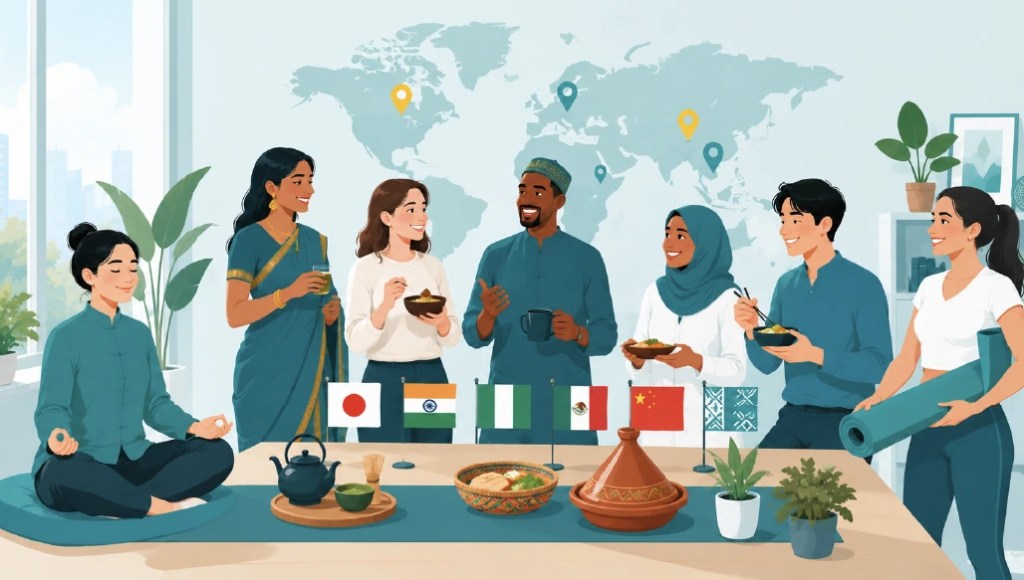
Wellness means different things to different people. For some employees, it may be a morning yoga routine passed down through generations. For others, it could be meditation, community gatherings, herbal remedies, mindful eating, or simple daily practices that help them stay balanced. These traditions often travel with employees into the workplace, quietly shaping how they care for their physical, mental, and emotional well-being.
As organizations look for meaningful ways to observe Employee Global Wellness Day, many are adopting Global Wellness Day initiatives in the workplace that celebrate the diverse wellness practices employees already value.
Whether you’re planning workplace wellness day activities, organizing a corporate health awareness day, or exploring new office wellness event ideas, understanding the cultural roots of wellness can help create more inclusive experiences for employees.
Why Global Wellness Traditions Matter in Today’s Workplace
Wellness Looks Different Around the World
Wellness is not defined the same way everywhere. Different cultures emphasize different practices, including:
- Mindfulness and reflection
- Community connection
- Physical movement
- Nature immersion
- Healthy eating rituals
- Gratitude and appreciation
What Frontline Employees Want From Wellness Programs
Frontline employees often have less time and flexibility to participate in traditional wellness activities.
Common challenges include:
- Physically demanding schedules
- Irregular shifts
- High customer interaction
- Workplace stress and fatigue
Flexible wellness activities are often more effective because employees can choose what fits their schedules and interests, a principle reflected in many successful employee wellness ideas.
1. Mindful Reflection Practices from East Asia
Meditation, mindful breathing, and quiet reflection are common wellness practices that can help employees manage stress and improve focus.
How Quiet Reflection Supports Workplace Wellness
Even a few minutes of reflection can provide a mental break during the workday.
Common practices include:
- Meditation
- Breathing exercises
- Mindful observation
- Mental reset routines
Ways Employers Can Celebrate This Tradition
Consider:
- Offering five-minute guided meditation sessions
- Setting aside quiet spaces where employees can take a short break
- Sharing mindfulness audio content through mobile wellness platforms
- Starting meetings with a brief breathing or focus exercise
Many of these practices can be introduced using simple approaches similar to other free workplace wellness ideas. The goal is to create moments in the workday where employees can pause, reset, and return to their tasks feeling more focused.
2. Community Movement Traditions from Latin America and Europe
In many cultures, physical activity is also a social activity, bringing people together while supporting their health.
Workplace Wellness Day Activities Inspired by Community Movement
Employers can bring a similar spirit into the workplace through activities such as:
- Team walking challenges
- Group stretching sessions
- Step-count competitions
- Virtual fitness communities
- Shift-based movement goals
These activities encourage movement while creating opportunities for social connection.
3. Nature-Based Wellness Practices from Nordic Countries
Many Nordic wellness traditions encourage spending time outdoors to recharge and reduce stress.
Why Nature Matters for Workplace Wellness
Nature-based wellness practices offer a reminder that periods outside can help clear the mind and break up the routine of a busy day.
Potential benefits include:
- Mental refreshment
- Improved focus
- Better emotional well-being
- Reduced workplace fatigue
Office Wellness Event Ideas Inspired by Nature and Outdoor Activity
Ideas include:
- Outdoor walking meetings
- Green break areas
- Nature photography challenges
- Wellness campaigns focused on outdoor activity
Encouraging employees to step outside for a few minutes during the day can be a simple but effective addition to a wellness program.
4. Food and Nutrition Rituals from Around the World
Food is one of the easiest ways people express culture, build community, and maintain healthy routines.
Why Food Plays a Major Role in Wellness
Healthy nutrition initiatives can help employees:
- Maintain energy levels
- Support physical health
- Connect with colleagues
- Share cultural experiences
Corporate Health Awareness Day Ideas
Consider activities such as:
- Healthy recipe exchanges
- Global nutrition spotlights
- Virtual cooking demonstrations
- Wellness-focused food fairs
- Employee-submitted healthy meal ideas
5. Rest and Recovery Practices from Mediterranean and Asian Cultures
Many wellness traditions view rest and recovery as essential parts of overall well-being.
Why Recovery Is Becoming a Workplace Priority
Long shifts and demanding workloads can make it difficult for employees to prioritize recovery.
Employers can support healthier work routines through:
- Short recovery breaks
- Stress management support
- Flexible wellness moments
- Sustainable work practices
Practical Ways Employers Can Support Recovery
Examples include:
- Micro-break reminders
- Wellness check-ins
- Digital well-being campaigns
- Recovery-focused challenges
- Quiet recharge spaces
6. Gratitude and Recognition Traditions Found Across Cultures
Across cultures, recognition remains an important way of showing appreciation and strengthening social connections.
Why Recognition Supports Well-Being
Recognition can reinforce that feeling, particularly during busy periods when teams are focused on meeting goals and solving day-to-day challenges.
Employees who feel appreciated are more likely to experience:
- Higher morale
- Stronger workplace relationships
- Greater motivation
- Improved engagement
Modern Recognition Strategies for Global Teams
Small, consistent moments of appreciation often have the greatest impact. Organizations can encourage recognition through:
- Peer-to-peer appreciation programs
- Digital recognition walls
- Wellness achievement badges
- Team celebration moments
- Employee appreciation campaigns
Platforms such as AdvantageClub.ai enable organizations to bring recognition, rewards, and wellness initiatives together, making it easier to celebrate employee contributions in a consistent and meaningful way.
How to Celebrate Global Wellness Traditions Without Stereotyping Employees
Recognizing wellness traditions should never mean making assumptions about what employees believe, practice, or enjoy. The goal is to offer choices and create opportunities for participation, not to place people into cultural categories.
Step 1: Listen Before You Plan
Surveys, feedback sessions, and informal conversations can help identify employee wellness interests.
Step 2: Offer Multiple Wellness Options
Examples include:
Examples include:
- Mindfulness
- Physical activity
- Nutrition
- Recognition
- Recovery practices
Step 3: Make Participation Voluntary
Wellness programs are most effective when employees feel invited rather than pressured. Participation should always be a choice.
Step 4: Recognize Participation Thoughtfully
A simple thank-you, peer recognition, or small reward can encourage engagement without making wellness feel competitive. The focus should remain on supporting positive habits rather than measuring performance.
Step 5: Gather Feedback and Improve
Employee interests and workplace needs change over time. Regular feedback can help organizations understand what’s working, what isn’t, and where future wellness efforts should focus.
Using Technology to Personalize Employee Global Wellness Day Experiences
Technology can support a comprehensive workplace wellness program by helping organizations deliver wellness experiences that are relevant, scalable, and inclusive.
How AI-Powered Platforms Can Help
Managing wellness programs across multiple locations, shifts, and employee groups can be challenging. Technology can make the process easier by helping organizations deliver activities that are relevant, accessible, and simple to participate in.
Modern wellness platforms can support:
- Personalized wellness recommendations
- Recognition experiences
- Digital participation tracking
- Wellness communications
- Employee engagement insights
AdvantageClub.ai makes it easier to manage these initiatives across locations and shifts.
The Business Impact of Culturally Inclusive Wellness Programs
Inclusive wellness programs can increase participation, strengthen engagement, improve morale, and build stronger workplace connections, particularly when they are part of employee experience wellness programs. This can be especially valuable in manufacturing, retail, and healthcare settings, where employees often need wellness options that fit different schedules and work environments.
Building a More Inclusive Future Through Employee Global Wellness Day
Employee Global Wellness Day is an opportunity to celebrate the many ways employees care for their well-being. From mindfulness and movement to nutrition, recovery, and recognition, these traditions reflect the diverse experiences people bring to work. By offering flexible and inclusive wellness activities, organizations can create programs that resonate with a broader workforce.
What is Employee Global Wellness Day?
Employee Global Wellness Day is a workplace initiative that encourages organizations to focus on employee well-being. Companies often use the occasion to run wellness activities, promote healthy habits, and create opportunities for employees to explore different approaches to physical, mental, and emotional health.
How can companies celebrate wellness traditions respectfully?
The best place to start is by listening to employees. Rather than assuming what people may be interested in, employers can gather feedback and offer a variety of wellness activities. Keeping participation voluntary and giving employees choices helps ensure programs remain inclusive and respectful of different backgrounds and preferences.
What are effective workplace wellness day activities for frontline workers?
Activities that are easy to access during a shift tend to work best for frontline teams. Examples include short mindfulness sessions, walking challenges, recovery breaks, nutrition-focused initiatives, and employee recognition activities. Flexibility is important because employees may be working different schedules or locations.
How can technology improve corporate health awareness day initiatives?
Technology can make wellness programs easier to manage and participate in. Employees can access activities, receive personalized recommendations, keep track of their progress, and stay informed about upcoming events. For employers, digital platforms provide a practical way to deliver wellness initiatives consistently across multiple teams and locations.
 Advantage Club Blogs