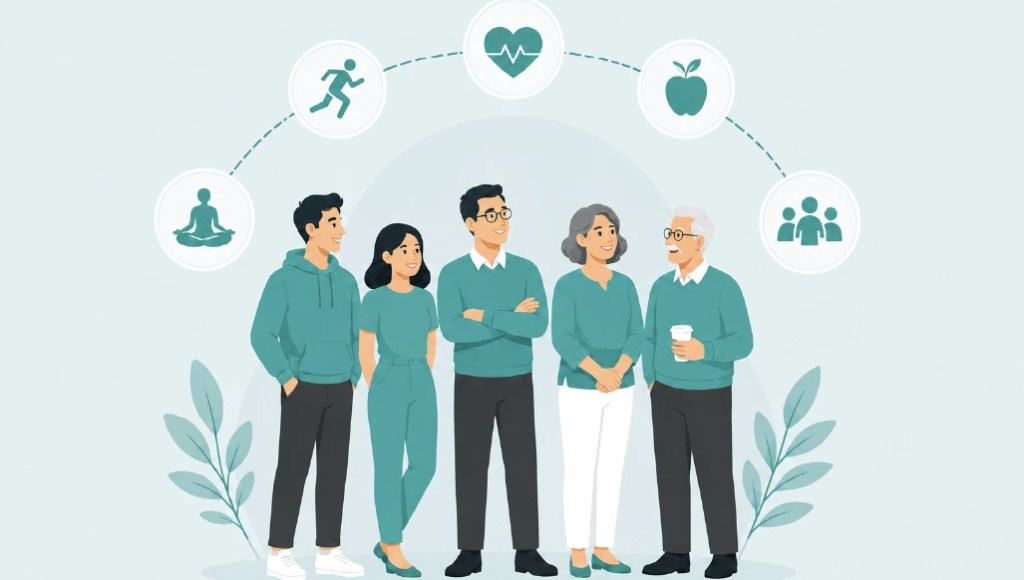
Building an employee wellness program is challenging enough. Making it relevant for a workforce that spans multiple generations can be even harder.
Today’s organizations often have employees at very different stages of their personal and professional lives. A recent graduate entering their first job may be looking for mental health support, financial guidance, or opportunities to build healthy work habits. At the same time, a more experienced employee may be focused on preventive healthcare, stress management, caregiving responsibilities, or retirement planning.
These differences don’t mean organizations need separate wellness programs for every age group. What they do need is a more flexible approach to employee wellbeing that reflects the realities of a multigenerational workforce.
Organizations that acknowledge these varying needs are often better positioned to improve participation and create a culture where employees feel supported throughout different phases of their careers.
Here are eight practical ways to design multigenerational workforce wellness programs that engage employees across generations.
1. Understand What Different Generations Need
Employees don’t all look at wellbeing in the same way. What matters to a new graduate in their first job can be very different from the priorities of someone balancing caregiving responsibilities or preparing for retirement.
While it’s important to avoid broad assumptions, HR teams often notice certain well-being needs occurring more frequently across different age groups, particularly when planning Gen Z employee engagement and wellness initiatives.
Common Wellness Priorities by Generation
Gen Z Employee Wellness
- Mental health support
- Financial wellbeing resources
- Opportunities for social connection
- Flexible wellness experiences
Millennial Employee Wellbeing
- Work-life balance initiatives
- Family wellness support
- Financial planning tools
- Stress management resources
Gen X Employees
- Caregiver support
- Burnout prevention
- Physical health maintenance
- Flexible wellbeing options
Baby Boomer Workplace Wellness
- Preventive healthcare programs
- Healthy aging initiatives
- Physical wellness support
- Retirement readiness resources
These trends are useful reference points, but employee surveys, pulse checks, focus groups, and feedback conversations provide a clearer picture of workforce needs, including priorities related to millennial employee well-being.
2. Build an Inclusive Wellness Program Around Choice
An inclusive wellness program doesn’t have to meet every employee’s needs in the same way. What matters is giving people enough options to engage with the resources and activities that are most relevant to them.
Some employees may gravitate toward fitness challenges, while others prefer financial education or stress management support. Offering a range of wellbeing initiatives gives employees meaningful ways to participate.
Consider building your wellness strategy around several key areas:
Physical Wellness
- Fitness challenges
- Health screenings
- Nutrition programs
- Walking initiatives
Mental Wellness
- Mindfulness resources
- Stress management tools
- Mental health awareness campaigns
Financial Wellness
- Budgeting support
- Savings education
- Retirement planning resources
Social Wellness
- Team engagement activities
- Recognition programs
- Community-building opportunities
When employees have choices, wellness feels less like a company initiative and more like a resource they can use in ways that work for them.
3. How to Design Wellness Programs for Different Generations
Designing multigenerational workforce wellness programs starts with understanding employee needs and removing barriers to participation.
Step 1: Understand Your Workforce
Start by looking at factors that can influence how employees engage with wellness initiatives, such as:
- Age distribution across teams
- Job roles and responsibilities
- Shift schedules
- Work locations
This is particularly important in industries like manufacturing, retail, and healthcare, where employee experiences can vary significantly from one role to another.
Step 2: Identify Common Wellbeing Challenges
Before launching new initiatives, take the time to understand the issues employees face. Areas worth exploring include:
- Stress and workload pressures
- Fatigue and burnout
- Financial concerns
- Physical health risks
Employee surveys, pulse checks, and manager feedback can uncover patterns that may otherwise go unnoticed.
Step 3: Different Ways to Participate
Not everyone engages with wellness programs in the same way. Some employees prefer self-paced activities, while others enjoy group participation.
Consider offering:
- Mobile-first experiences
- Self-guided activities
- Team challenges
- On-site wellness opportunities
Step 4: Tailor How You Communicate
A great wellness program can still struggle if employees don’t know it exists. Use various communication channels to effectively reach different employee groups, including:
- Mobile notifications
- Workplace displays
- Digital platforms
- Email communications
Step 5: Track What Employees Actually Use
Participation data can reveal which initiatives are gaining traction and which may need adjustment. Monitor metrics such as:
- Enrollment rates
- Activity completion rates
- Employee feedback
- Program satisfaction scores
Regular reviews help ensure the employee wellness program continues to reflect employee needs as the workforce evolves.
4. Make Wellness Accessible for Frontline Workers
Frontline employees need wellness programs that fit into the realities of their workday. This is especially important in manufacturing, retail, and healthcare environments where employees may not spend their day behind a computer.
What Accessibility Looks Like
- Mobile-friendly participation
- Shift-flexible scheduling
- Short wellness activities
- On-demand resources
- Easy reward redemption
Programs should be designed around employee workflows rather than expecting employees to adjust their schedules to participate.
Why Frontline Workers Need More Than a Paycheck
Compensation matters, but employees also want to feel supported and appreciated.
Wellness initiatives paired with recognition and employee engagement strategies help create stronger emotional connections between employees and the organization. Employees who feel cared for stay engaged and contribute positively to workplace culture.
5. Personalize Wellness With Technology
As workforces grow more diverse, employees increasingly expect experiences that feel relevant to their needs. Technology can help HR teams deliver that level of personalization without adding significant administrative effort.
For example, wellness platforms can help organizations:
- Recommend activities based on employee interests
- Share relevant wellness resources and updates
- Offer flexible rewards and incentives
- Monitor participation patterns
- Recognize positive wellness habits
AdvantageClub.ai is an Agentic AI-powered employee experience platform that unifies wellness, recognition, rewards, and engagement to create personalized workplace experiences. Its AI proactively recommends relevant activities, benefits, and rewards based on each employee’s preferences and participation history, driving higher engagement and satisfaction.
6. Reinforce Healthy Behaviors Through Recognition
Recognition helps reinforce healthy behaviors and encourages continued participation in wellness initiatives.
Wellness Recognition Ideas
- Digital badges
- Peer-to-peer appreciation
- Reward points
- Team celebrations
- Wellness milestones
Recognition does not need to be expensive. Consistency often matters more than the size of the reward.
What Employees Across Generations Want
While preferences differ, most employees value:
- Timely recognition
- Authentic appreciation
- Meaningful rewards
- Flexibility and choice
When recognition is part of wellness initiatives, participation is often more sustainable.
7. Support Life Stages Without Creating Separate Programs
Comprehensive workplace wellness programs support employees through different life stages while giving them the flexibility to choose resources that fit their current needs.
Examples include:
- Mental wellbeing resources for younger employees
- Family support initiatives for working parents
- Stress management tools for caregivers
- Preventive healthcare programs for older employees
The goal is to provide broad wellness options rather than segmenting employees into separate tracks.
This approach strengthens inclusion while ensuring every employee feels represented.
8. Connect Wellness to Workplace Culture
The most successful wellness programs become part of everyday workplace culture rather than standalone initiatives.
Wellness should be integrated into:
- Recognition strategies
- Employee engagement efforts
- Leadership communication
- Team experiences
When wellbeing becomes part of everyday work, employees are more likely to feel supported and connected to the organization. Advantageclub.ai helps organizations reinforce wellness through rewards, recognition, and engagement touchpoints that keep wellbeing top of mind throughout the year.
The Future of Multigenerational Workforce Wellness
Successful multigenerational workforce wellness strategies are built on flexibility, personalization, and inclusion. Employees across generations have different wellbeing priorities, but they all value support that feels relevant and accessible. Organizations that offer flexible wellness options, recognize participation, and make wellbeing part of everyday culture are better positioned to improve engagement and retention.
As workforce expectations continue to evolve, inclusive wellness programs are increasingly important for building healthier and more connected workplaces.
What is multigenerational workforce wellness?
Multigenerational workforce wellness is an approach to employee wellbeing that supports people across different age groups and life stages. Instead of focusing on a single set of wellness benefits, it offers a range of resources that address varying needs, from mental health and financial wellbeing to preventive healthcare and retirement planning.
How do wellness programs for different generations increase employee participation?
Employees engage with wellness initiatives when they can choose activities and resources that fit their needs. By offering flexible options, organizations can make wellness programs more relevant to employees across generations, which often leads to higher participation.
What makes an inclusive wellness program successful?
A successful inclusive wellness program provides employees with access to various types of support while making participation simple and accessible. It considers diverse needs across the workforce and ensures that both office-based and frontline employees can take part.
Why is employee recognition important in wellness programs?
Recognition encourages employees to stay engaged with wellness initiatives. Whether it’s a simple appreciation message, reward points, or milestone recognition, acknowledging healthy behaviors can help reinforce long-term participation.
How can AI support employee wellness initiatives?
AI can help organizations deliver more personalized wellness experiences by recommending relevant activities, sharing targeted resources, and identifying engagement trends. It can also reduce administrative work for HR teams, making wellness programs easier to manage and improve over time.
 Advantage Club Blogs