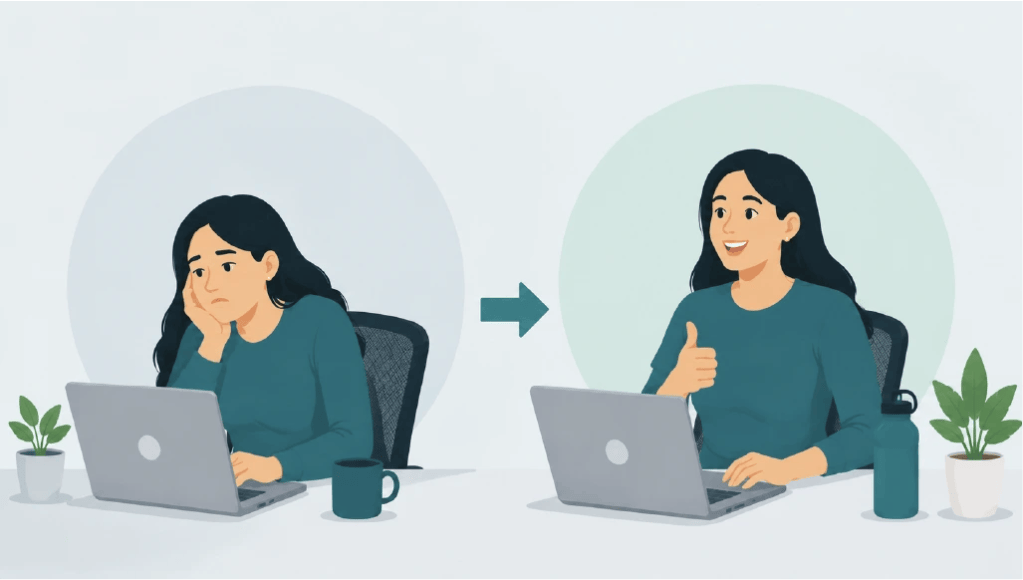
Most wellness programs begin with strong participation and enthusiasm. Over time, however, engagement often declines. Fewer employees join activities, participation drops, and the program loses momentum, a challenge many organizations know as wellness program fatigue.
This issue is particularly common in manufacturing, retail, and healthcare, where employees work demanding schedules and may struggle to participate in traditional wellness initiatives. When programs become repetitive, difficult to access, or disconnected from employee needs, interest naturally fades.
A decline in participation often signals that the program needs to evolve. By understanding the causes of declining wellness participation, HR leaders can make targeted changes that improve engagement and deliver lasting value.
Here are seven common reasons employees lose interest in wellness programs, along with ways to address them.
1. The Program Feels Repetitive and Predictable
A monthly step challenge, another health newsletter, or a familiar webinar might work well at first. However, repetition is a common cause of wellness program failure. When employees repeatedly perform the same activities, they eventually lose interest, especially in roles built around structured routines.
How to Fix It
The key is to keep the experience fresh and relevant. Consider:
- Rotating wellness themes throughout the year
- Running seasonal wellbeing campaigns
- Introducing short-term challenges with clear goals
- Covering a wider range of topics, from mental and financial wellness to social connection and physical health
- Giving employees the freedom to choose activities that interest them
Regularly introducing new experiences can help prevent wellness program fatigue and maintain strong participation levels.
2. Employees Don’t See Personal Relevance
Employees have different wellness needs, yet many wellness programs offer the same activities to everyone. When employees can’t see how a wellness initiative fits into their daily lives, they’re less likely to participate.
Why One-Size-Fits-All Programs Fall Short
Employees disengage when wellness activities:
- Don’t reflect their work realities
- Focus on challenges they don’t face
- Require time they don’t have
- Set unrealistic goals
How to Fix It
Make wellness more relevant by:
- Offering different ways to participate
- Tailoring activities to employee groups
- Gathering feedback regularly
- Providing flexible, on-demand resources
Platforms like AdvantageClub.ai can further personalize wellness experiences by recommending activities and engagement opportunities based on employee preferences.
3. Participation Requires Too Much Effort
Employees feel less inclined to participate when wellness activities are complicated or time-consuming, which often contributes to declining participation.
Examples include:
- Long registration processes
- Multiple apps or portals
- Complex tracking requirements
- Activities scheduled during busy work periods
How to Fix It
Simplify every step of the experience:
- Reduce sign-up requirements
- Enable mobile participation
- Offer quick activities under 10 minutes
- Use QR codes for easy access
- Provide automatic progress tracking where possible
4. Recognition and Rewards Are Missing
Employees are more likely to stay engaged when their efforts are recognized and appreciated.
What Employees Value
- Public appreciation
- Team recognition
- Achievement badges
- Wellness milestones
- Small but meaningful rewards
How to Fix It
Create a recognition strategy that includes:
- Peer-to-peer appreciation
- Team-based wellness celebrations
- Digital recognition moments
- Wellness achievement spotlights
- Incentives tied to participation milestones
Technology can help automate and scale recognition efforts, especially when combined with gamification strategies that encourage participation.
5. Communication Becomes Easy to Ignore
An employee wellness engagement drop often starts with communication overload. When employees are flooded with emails, updates, and notifications, wellness messages can struggle to stand out.
Common Communication Challenges
- Too many emails
- Generic messaging
- Poor timing
- Lack of personalization
- No clear value proposition
How to Fix It
Diversify communication channels:
- Mobile notifications
- Digital displays in break rooms
- Team huddles
- Manager reminders
- Social recognition feeds
Use concise messages that clearly communicate the value of participating.
6. Managers Aren’t Supporting the Program
Managers play a major role in shaping employee participation. When leaders don’t actively support or participate in wellness initiatives, employees are less likely to view them as a priority.
Why Manager Visibility Matters
Employees pay more attention to actions than to announcements.
They notice when managers:
- Take wellness breaks
- Join challenges
- Recognize participation
- Encourage work-life balance
- Discuss wellbeing openly
How to Fix It
Equip managers to become wellness advocates:
- Share simple wellness talking points.
- Encourage visible participation.
- Include wellbeing discussions in team meetings.
- Recognize wellness achievements publicly.
- Celebrate team progress regularly.
7. Employees Don’t See Results
Participation drops when employees don’t see meaningful progress or outcomes from their involvement.
How to Re-Engage Employees in Wellness Programs
Step 1: Measure Participation Trends
Track:
- Activity completion rates
- Repeat participation
- Engagement levels across teams
- Wellness challenge involvement
Step 2: Share Progress Regularly
Communicate:
- Team achievements
- Wellness milestones
- Participation growth
- Recognition highlights
Step 3: Gather Employee Feedback
Ask employees:
- What they enjoy
- What feels repetitive
- What support do they need
- What new wellness experiences do they want
Step 4: Continuously Improve
Use employee feedback to refresh activities, communication methods, and recognition approaches.
Re-Engagement Framework: Cost & ROI Summary
|
Step |
What It Involves |
Cost to Implement |
ROI Impact |
|
1. Measure Participation Trends |
• Track activity completion rates • Monitor repeat participation • Compare engagement across teams • Review challenge involvement |
• Low — mostly uses existing platform analytics • Minimal new tooling required • Time cost: HR analysis hours |
• Identifies where budget is being wasted on low-engagement activities • Prevents continued spending on programs employees have already disengaged from • Builds the baseline needed to prove future ROI |
|
2. Share Progress Regularly |
• Communicate team achievements • Highlight wellness milestones • Report participation growth • Spotlight recognition wins |
• Low — leverages existing communication channels • No major new spend; mostly content/time investment |
• Reinforces the value of prior wellness investment instead of letting it go unnoticed • Increases perceived ROI to leadership by making outcomes visible • Sustains participation without added incentive cost |
|
3. Gather Employee Feedback |
• Ask what employees enjoy • Identify repetitive elements • Surface unmet support needs • Collect requests for new experiences |
• Low to moderate — survey tools or platform feedback features • Possible cost if using third-party survey software |
• Reduces wasted spend on activities employees don’t want • Improves targeting of future wellness budget toward high-interest programs • Lowers risk of investing in the wrong initiatives |
|
4. Continuously Improve |
• Refresh activities based on feedback • Adjust communication methods • Update recognition approaches |
• Moderate — may involve new content, campaigns, or platform features • Cost scales with the scope of changes made |
• Highest long-term ROI step — directly converts insight into participation gains • Reduces fatigue-driven attrition from the program • Compounds return from Steps 1–3 by acting on what they reveal |
Building a Wellness Program That Employees Want to Join
Employees participate when employee wellness programs are easy to access, relevant to their needs, supported by leaders, and regularly refreshed.
High-participation wellness programs typically include:
- Accessible and flexible wellness activities
- Experiences tailored to different employee groups
- Visible leadership support
- Consistent recognition
- Employee feedback and participation data
For HR teams, success depends on whether employees continue to find value in wellness programs. AdvantageClub.ai helps organizations deliver personalized wellness, recognition, and engagement experiences at scale.
Turning Wellness Program Fatigue Into Long-Term Engagement
A drop in participation often signals that the wellness experience needs to evolve. To address wellness program fatigue and reverse declining wellness participation, focus on understanding where engagement is dropping, gathering employee feedback, and refreshing activities that no longer resonate. Organizations that treat wellness as an ongoing experience are more likely to sustain participation.
When employees see genuine value in a program, engagement becomes easier to maintain, and the wellness program benefits extend beyond wellbeing to workplace culture and employee experience.
What is wellness program fatigue?
Wellness program fatigue occurs when employees gradually disengage from wellness initiatives due to repetition, lack of relevance, poor communication, or limited perceived value. Over time, participation drops and engagement declines.
Why is wellness participation declining in many organizations?
Employees may struggle to find time for activities, receive too many wellness communications, or feel that the program doesn’t reflect their personal needs. Participation often drops when wellness initiatives feel generic or difficult to access.
How can HR leaders re-engage employees in wellness programs?
Re-engaging employees starts with understanding why participation is declining. Gathering employee feedback, simplifying access, introducing new activities, recognizing participation, and offering more personalized experiences can all help rebuild interest and improve engagement.
What role do managers play in wellness engagement?
Managers strongly influence participation in wellness programs. When leaders actively support initiatives and recognize employee efforts, employees are more likely to get involved. Visible leadership support can also help prevent a drop in employee wellness engagement.
How can technology help reduce wellness program fatigue?
Modern engagement platforms help organizations personalize wellness experiences, track participation trends, automate recognition, and identify early signs of wellness program fatigue. With these insights, leaders can address issues before they contribute to declining wellness participation.
 Advantage Club Blogs