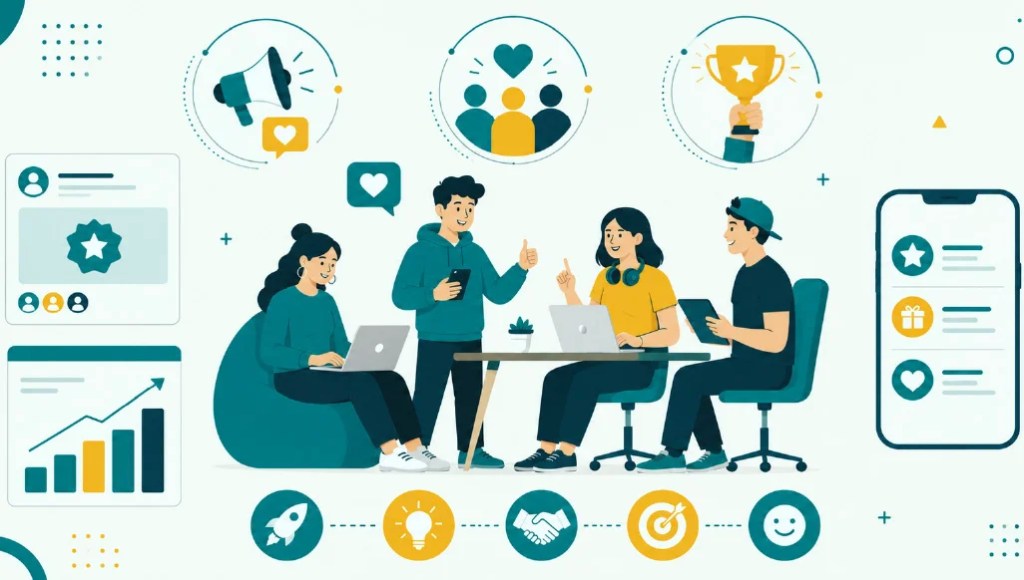
As Gen Z becomes a growing share of the workforce across manufacturing, retail, healthcare, and corporate environments, traditional recognition programs are falling short. How does Gen Z want to be recognized at work? Immediately, specifically, personally, and through the channels they already use. Here’s how HR leaders can respond with practical employee recognition strategies that actually work for this generation.
How Does Gen Z Want to Be Recognized at Work? Authenticity, Timing, and AI
Gen Z responds to recognition that’s immediate, tied to specific actions, and personally relevant, not annual awards or generic praise. Meeting Gen Z workplace expectations means recognizing real work and real impact, not a symbolic gesture at the end of the year.
AI is making this easier to deliver at scale. Platforms like AdvantageClub.ai use AI to personalize rewards, surface recognition moments, and support manager workflows, without losing the human touch that makes appreciation meaningful. AI can go a step further, flagging recognition opportunities as they happen, while keeping the final call with managers.
Understanding Gen Z Recognition Preferences in the Workplace
Gen Z employee recognition preferences are shaped by the world they grew up in: digital-first, transparent, fast-moving, and values-driven. Understanding what drives those preferences helps HR leaders build programs that actually work.
Several trends are directly influencing what Gen Z expects at work:
- Continuous feedback culture: annual reviews feel outdated; they want ongoing, real-time dialogue
- Digital-first communication: recognition should live in the same channels where work already happens
- Inclusion and belonging: appreciation should feel equitable, not reserved for high performers alone
- Personalized experiences: generic rewards feel impersonal and easy to dismiss
- Purpose-driven appreciation: recognition connected to company values lands more deeply than performance metrics alone
This plays out differently across industries. A Gen Z manufacturing associate wants to know whether their contribution to production targets is seen. A retail team member wants acknowledgment when they turn a frustrated customer into a loyal one. A healthcare worker needs recognition that goes beyond output, appreciation that acknowledges how emotionally demanding the job really is.
The common thread: Gen Z wants recognition that reflects who they are and what they specifically contributed, not the same generic gesture handed out to everyone on the team.
8 Recognition Strategies for Gen Z Employees
Knowing how to recognize Gen Z employees well comes down to eight practical shifts most organizations haven’t made yet.
1. Recognize in Real Time
Delayed recognition loses its impact. Gen Z expects real-time recognition as close to the moment it’s earned as possible.
- Send recognition within 24–48 hours of the contribution
- Use mobile-first platforms accessible to frontline and deskless workers
- Enable manager shoutouts and peer-to-peer recognition tools
2. Be Specific, Not Generic
“Great job” doesn’t land. Specific recognition tells employees exactly what they did and why it mattered.
- Name the action, decision, or behavior being recognized
- Connect it to team, customer, or business impact
- Avoid blanket praise that could apply to anyone
3. Personalize the Experience
One-size-fits-all rewards feel impersonal. Gen Z wants recognition that reflects who they are.
- Offer flexible reward marketplaces with employee choice
- Respect preferences; some want public acknowledgment, others prefer private appreciation
- Include wellness, experience-based, and lifestyle reward options
4. Make It Inclusive
Recognition programs that skip frontline workers send the wrong message, especially in a global employee recognition program spanning multiple sites and shifts.
- Ensure recognition reaches shift workers, retail associates, and healthcare professionals
- Use mobile-accessible tools that don’t require a desk or corporate email
- Build equity into recognition; not just top performers, every contributor
5. Tie Recognition to Values
Gen Z is values-driven. Recognition connected to company purpose lands harder than recognition tied to output alone.
- Link appreciation to specific company values in practice
- Recognize behaviors that reflect culture; not just output metrics
- Use values-based digital badges for everyday reinforcement
6. Enable Peer-to-Peer Recognition
Gen Z doesn’t want appreciation to flow only from the top down.
- Build social recognition feeds visible across the team
- Prompt employees to recognize colleagues after collaborative wins
- Create team celebration spaces: digital walls, channels, or boards
7. Equip Managers to Recognize Consistently
Recognition culture doesn’t scale without manager enablement.
- Provide recognition reminders and prompts for specific praise
- Share insights on who hasn’t been acknowledged recently
- Make recognition a measurable part of manager effectiveness
8. Reinforce Recognition as a Daily Habit
Sporadic recognition loses cultural weight. Consistency is what makes it stick.
- Build weekly recognition moments into team rhythms
- Celebrate milestones alongside everyday contributions
- Use AI-driven nudges to reduce recognition blind spots
What Makes Recognition Stick? Practical Digital-First Ideas
The most effective employee recognition program ideas for Gen Z run on digital infrastructure that meets employees where they are, especially frontline workers in manufacturing, retail, and healthcare who rarely sit at a desk.
Here are the digital-first tools and formats that work best:
- Mobile-first recognition platforms, like AdvantageClub.ai’s employee recognition platform, accessible to every employee, regardless of role or location
- Peer-to-peer recognition feeds for social, visible, and community-building
- AI-powered personalized rewards with intelligent suggestions based on individual preferences
- Values-based digital badges as lightweight, real-time reinforcement of culture
- Flexible reward marketplaces with employee choice over what recognition means to them
- Team celebration walls for shared digital spaces where wins are visible to all
- Instant digital shoutouts for quick, easy acknowledgment of everyday contributions
- Recognition analytics dashboards helping managers spot gaps before they turn into disengagement
For frontline workers especially, visibility matters. Recognition that reaches the shop floor, the ward, or the retail floor sends a clear message: the work happening there is seen and valued. Real employee recognition examples from frontline teams tend to prove this better than any policy document.
Gen Z vs. Millennial Recognition Preferences: What HR Leaders Should Know
|
Dimension |
Millennials |
Gen Z |
|
Focus |
Career growth and progression |
Immediate impact and contribution |
|
Cadence |
Scheduled, periodic recognition |
Continuous, real-time recognition |
|
Style |
Formal recognition moments |
Authentic, conversational appreciation |
|
Rewards |
Broad reward options |
Highly personalized rewards |
|
Channel |
Email and intranet |
Mobile-first and social feeds |
Modern recognition programs need enough flexibility to serve both generations. Getting Gen Z vs millennial recognition preferences right isn’t about picking one style; the shift toward timely, personal, digital recognition benefits employees across every age group, not just Gen Z.
The Bottom Line
Recognition isn’t a once-a-year gesture anymore; it’s a daily habit. Build a modern, AI-informed recognition program, and you’ll see stronger engagement, better retention, and a workforce that feels genuinely valued. AdvantageClub.ai helps HR teams make that shift at scale, across every role and location.
How does Gen Z want to be recognized at work?
Gen Z wants timely, specific, and personalized recognition delivered through digital channels. They value authentic appreciation tied to real contributions, not formal, infrequent acknowledgment that feels disconnected from their day-to-day work.
What are the top Gen Z employee recognition preferences?
Real-time feedback, peer-to-peer recognition, personalized rewards, mobile-accessible platforms, and values-based appreciation all reflect core Gen Z feedback preferences at work. Recognition should feel inclusive and genuine, not scripted or reserved only for top performers.
How are Gen Z and Millennial recognition preferences different?
Millennials tend to value formal milestones and career-linked recognition. Gen Z prioritizes continuous, real-time appreciation through mobile-first channels and personalized rewards, raising the bar on immediacy and personalization for everyone, not just Gen Z.
 Advantage Club Blogs