Category: Employee Wellness
-
Employee Wellness Program

An employee wellness program is no longer a “nice-to-have” initiative. It has become a strategic priority for modern organizations. As businesses navigate rising burnout, disengagement, and health-related productivity losses, investing in a structured employee wellness program helps organizations support their employee population while driving measurable business outcomes. Today’s employee expectations go beyond compensation. Employee health,…
-
10 Work Programs for Better Cardiometabolic Health

Cardiometabolic wellness has moved beyond an HR trend and is something many workplaces are now feeling firsthand. Long hours, back-to-back meetings, and constant pressure quietly take a toll, affecting heart health, blood sugar, energy, and overall performance. Many wellness efforts stop at good intentions, like an occasional webinar or a step challenge that raises awareness…
-
The Recovery Revolution: 9 Workplace Recovery Strategies That Boost Productivity

Modern workplaces are operating at a pace that can easily wear people down. Employees are juggling constant context switching, a steady stream of digital noise, and the expectation to be “always on.” Even with high performance goals, many are running out of steam and the conversation is finally shifting from squeezing out more output to…
-
8 Advanced Biometric Tools That Predict Employee Health Risks
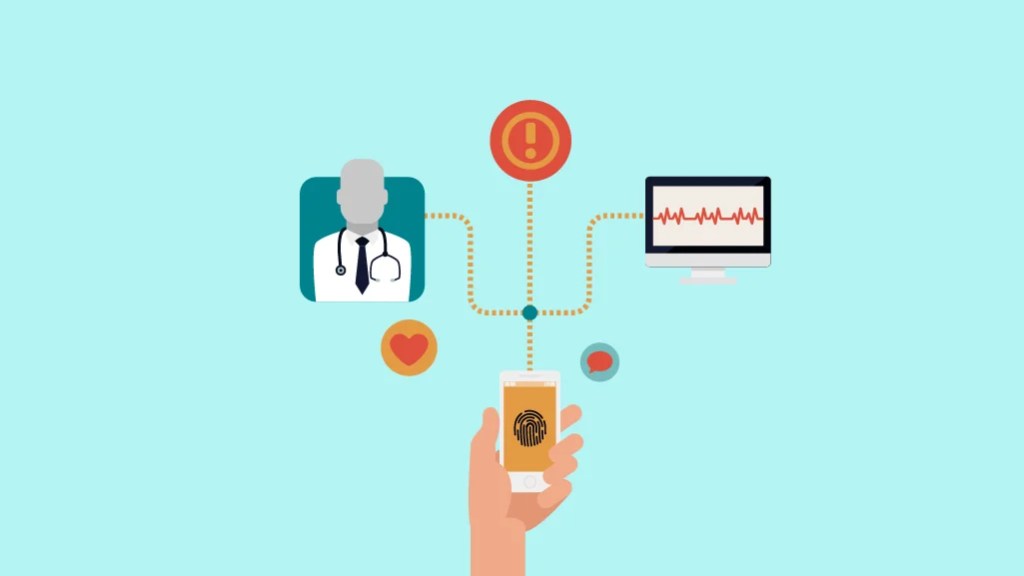
Employee well-being has always mattered, but traditional approaches like yearly health checks or gym reimbursements no longer align with today’s workplace. They’re too slow to catch early warning signs. Today, wellness strategies look different with continuous health monitoring, advanced wearables, physiological stress monitoring, and biometric wellness tracking. They provide real-time analytics to spot risks early…
-
15 Micro-Recovery Techniques That Fit Any Work Schedule

Deadlines pile up, meetings stretch on, and digital fatigue creeps in. As employee health and wellbeing statistics show, this is the reality of today’s work schedules. Long-term wellness programs are important, but they don’t always help in the middle of a draining day when energy dips fast. That’s where micro-recovery techniques make all the difference.…
-
7 Surprising Perks of Staying Active on the Job

We all know the feeling. Hours at the desk, back starts to ache, eyes glued to the screen, and energy slips away before the day is even half done. It’s the reality that many employees are facing, whether working remotely, juggling hybrid schedules, or spending full days in the office. Deadlines keep coming, but the…
-
8 Burnout-Busting Engagement Strategies for Proactive and Reactive Recovery

Burnout has become a growing challenge in the workplace; one that affects well-being, productivity, and retention in critical ways. Organizations that focus on burnout blocking, that is, a balance of proactive burnout prevention and effective reactive recovery, can create healthier, more engaged teams. By pairing thoughtful strategies with fair recognition and workplace wellness prevention, HR…
-
10 Inspired Ways to Maximize Engagement During Your Micro-Sabbatical

The traditional long sabbatical has evolved. With tech-enablement, employees can choose to embrace micro-sabbaticals, extended time off, and creative employee recharge programs that deliver many of the same sabbatical benefits without the career disruption. For HR leaders, the question is: how can organizations ensure people truly engage with these moments of pause—so they resume with…
-
14 Team-First Hacks to Beat Zoom Fatigue with Engagement and Well-Being
Virtual meetings have made it easier than ever to stay connected at work, but they also come with new challenges. “Zoom fatigue” is real. After a day of back-to-back video calls, most people feel tired, distracted, and wish for moments that truly recharge them. As HR leaders, we know that the real cure for this…
-
The State of Employee Health and Well-being: 13 Key Stats Shaping the Future of Work

Employee health and well-being have become a central focus in workplaces worldwide. With burnout rates rising and employee expectations shifting toward more holistic support systems, data now confirms what many HR leaders have long suspected: workplace well-being is no longer a “nice-to-have” — it’s business-critical. It has become the new currency for employee retention and…
 Advantage Club Blogs