Loyalty programs have long played a key role in how companies engage both employees and customers. Whether it’s point systems or milestone-based rewards, these efforts were meant to keep people motivated, appreciated, and connected. But in today’s crowded and fast-paced digital world, they can start to feel repetitive, distant, or even draining.
This brings us to a rising concern: loyalty fatigue.
It’s a challenge that affects not just customer-brand relationships but also how companies connect with their teams. The good news is that new technology is opening up better ways to handle it. Thanks to AI-first workforce engagement models and intelligent recognition tools, companies now have fresh ways to build honest, lasting loyalty, especially inside the workplace.
Let’s break down what loyalty fatigue looks like, how to spot it, and six practical ways to address it through AI-powered loyalty programs.
What Is Loyalty Fatigue?
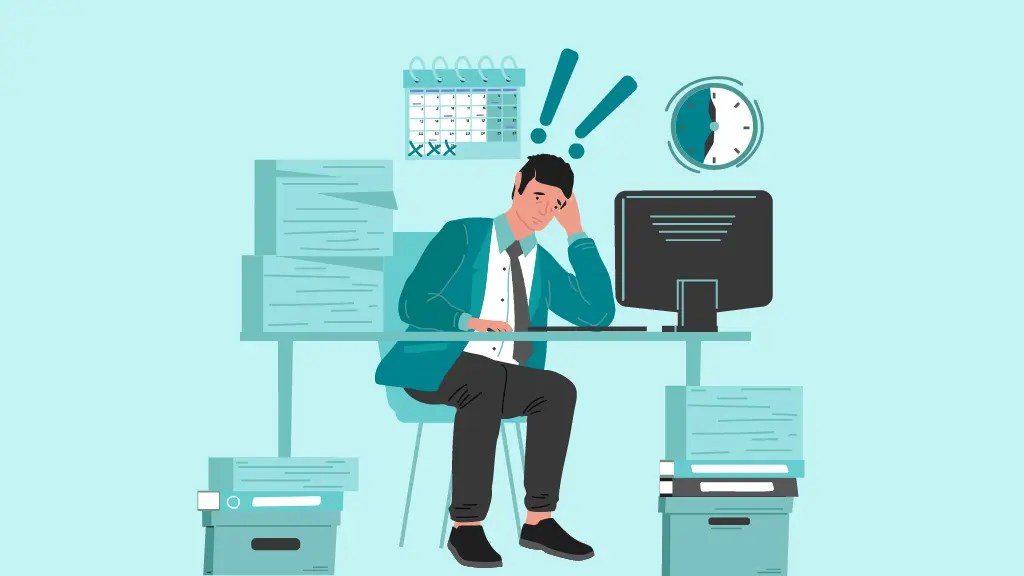
Loyalty fatigue is the emotional and mental exhaustion people experience when faced with loyalty programs that feel repetitive or unrewarding. It typically sets in when programs are:
- Overly focused on transactions
- Confusing or difficult to redeem
- Missing personal relevance
- Poorly timed or out of context
- Disconnected from what the person values
In the workplace, loyalty fatigue becomes clear when recognition or reward systems stop evolving. If employees don’t feel truly seen, their efforts go unnoticed, or if rewards don’t reflect their preferences, they begin to lose interest and motivation.
Signs of Loyalty Fatigue in the Workplace
Spotting the early warning signs can help you avoid rising disengagement or unwanted turnover. Keep an eye out for:
- A noticeable drop in participation, fewer rewards claimed, or less feedback shared
- Lack of emotional response, recognition feels routine or empty
- Falling usage of engagement tools, employees stop logging in or paying attention
- Common feedback like “It’s always the same” or “It takes forever to earn anything.”
- Skipping surveys or brushing off milestones and reminders
If these trends sound familiar, it might be the right time to refresh your employee recognition strategy.
How AI-First Engagement Solves Loyalty Fatigue
Rather than sticking to the same old approach, AI-driven employee engagement platforms use real-time data to understand behavior, preferences, and context. This allows for:
- Personalization that adapts with time
- Recognition and communication delivered at just the right moment
- Rewards and nudges that fit the individual
- Ongoing feedback that helps shape better strategies
With platforms like AdvantageClub.ai, companies are moving beyond static rewards to create more intelligent, more meaningful engagement and turning burnout into stronger connections.
6 AI-Driven Ideas to Combat Loyalty Fatigue
Here are six ways you can use data-driven engagement strategies to re-energize your loyalty initiatives and make them work better for your employees.
1. Personalize Recognition Based on Real Behavior
Generic praise wears off fast. By using intelligent systems that track real actions, you can make recognition feel truly meaningful.
For example:
- If an employee always meets strict deadlines, surprise them with an “Efficiency Star” badge and a matching reward.
- If someone regularly helps onboard new teammates, send a thoughtful thank-you message along with a tailored learning benefit.
Why it works: It shows people they are noticed, not just for results but for what makes them unique.
2. Introduce Micro-Moment Rewards
Don’t save recognition for once-a-year events. Innovative tools can highlight and reward small daily efforts that make a significant impact.
You could reward:
- Helping a coworker
- Offering employee feedback and recognition programs
- Taking part in wellness sessions
- Showing up for regular team check-ins or standups
Why it works: Consistent, small moments of appreciation keep energy high and help build long-term loyalty.
3. Automate Timely Nudges That Encourage Engagement
Loyalty fatigue often sets in when there is no follow-up or the messaging feels off. Innovative engagement tools can spot early signs of disengagement and respond quickly.
For example:
- If an employee hasn’t used the rewards platform in 30 days, send a “We miss you” message with a custom reward suggestion.
- Mark moments like work anniversaries or project completions with instant digital recognition.
Why it works: Timely nudges deliver value right when needed and remind employees they are valued.
4. Let Employees Choose Their Rewards
Interest fades fast when rewards don’t match personal needs. Innovative platforms enable employees to choose what matters to them.
Create a reward menu with options like:
- Wellness benefits such as fitness passes or therapy support
- Experiences like concert access or short getaways
- Financial add-ons like digital gift cards or savings tools
- Upskilling choices like online courses or new certifications
Why it works: When employees get to choose, the reward feels personal, and that builds stronger loyalty.
5. Gamify Engagement with Progressive Challenges
Gamification isn’t just about leaderboards; it’s about tapping into motivation. With AI, you can design adaptive challenges tailored to roles, goals, and interests.
Try formats like:
- Seasonal quests (e.g., “Complete three wellness goals this quarter”)
- Achievement badges (“Collaboration Champion,” “Feedback Star”)
- Team-based challenges with real-time progress tracking
Why it works: It adds fun, variety, and purpose, making recognition feel like an ongoing journey, not a one-time reward.
6. Analyze Sentiment to Spot Hidden Loyalty Gaps
Raw participation data only tells part of the story. AI can read between the lines, scanning feedback, surveys, and internal communications for emotional cues.
For example:
- Low sentiment around “fairness” may signal issues in reward equity
- Words like “not appreciated” or “same old” flag disengagement
- Use these patterns to refine the types, timing, and tone of your rewards.
Why it works: It lets you fix issues early, so recognition stays meaningful and employee morale stays high.
Loyalty Isn’t Lost—It’s Just Misunderstood
Loyalty fatigue doesn’t mean recognition has failed; it means it needs to evolve. Today’s employees seek more than routine rewards; they want relevance, respect, and responsiveness.
They want recognition that reflects who they are and what they value.
AI-first platforms offer exactly that: a more innovative, more human way to build loyalty, one that adapts in real-time and responds to genuine engagement.
Solutions like AdvantageClub.ai are leading this shift, blending behavioral insights with intelligent rewards to create meaningful moments.
By applying these six strategies, you can transform loyalty from a checkbox into a meaningful driver of retention, culture, and connection.
 Advantage Club Blogs