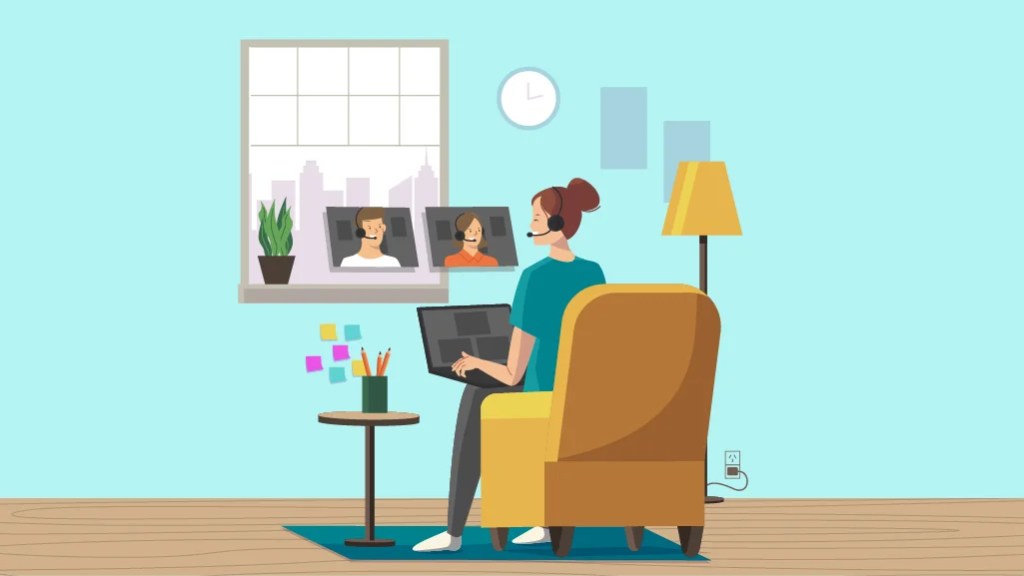
Hybrid work isn’t just about where employees work; it’s about how they feel while doing it. As teams move fluidly between home and office, employee experience in the hybrid workplace has become less about policies and more about emotions such as belonging, recognition, and connection. Yet, many organizations still rely on one-size-fits-all engagement strategies that don’t quite capture the realities of this blended work life.
To build a thriving hybrid work culture, companies need to look closer at the everyday moments that shape how employees engage. Every email, meeting, or check-in is a touchpoint that can either inspire or alienate and influence the overall sense of belonging in a hybrid work model.
7 Employee Experience Mapping Tactics to Redesign Hybrid Work Touchpoints
Here are seven actionable ways to redesign employee experience in the hybrid work touchpoints so every interaction, whether virtual or in person, strengthens connection, fosters recognition, and helps turn flexibility into a lasting advantage.
1. Audit the Hybrid Work Journey to Identify Experience Gaps
Even in progressive workplaces, the balance between workplace flexibility and fairness can slip through the cracks. A structured audit of the hybrid employee journey helps uncover where engagement drops, communication falters, or recognition gets uneven.
Focus areas to assess:
- Map the full employee journey from recruitment to exit to identify emotional highs and lows during hybrid workdays.
- Compare digital vs. in-person experiences to ensure parity in recognition, collaboration, and visibility.
- Identify moments that influence wellbeing and belonging, such as team rituals, meeting rhythms, and informal check-ins, to spot where hybrid work may create isolation or fatigue.
Agentic AI can further streamline this audit by surfacing real-time engagement analytics. They help HR teams instantly identify where participation or recognition lags, without combing through multiple dashboards.
Outcome: Creates a foundation for employee touchpoint optimization, ensuring every stage of the hybrid experience is intentional, equitable, and emotionally supportive.
2. Redefine Recognition for Hybrid Inclusivity
In hybrid settings, visibility can quietly shape who gets noticed and who doesn’t. Recognition systems must evolve so that appreciation reaches every contributor, no matter where or how they work. The goal is fairness, with recognition driven by impact and not physical presence.
Ways to make it inclusive:
- Implement real-time and peer-to-peer recognition tools to make appreciation accessible across time zones and teams.
- Enable value-aligned recognition, that celebrates contributions reflecting company culture, whether in a boardroom or over a video call.
- Automate recognition visibility across locations to ensure equal participation and consistent appreciation for all employees.
With AI-powered platforms, recognition becomes even more frictionless. Managers can use simple conversational prompts, like “Give Sam the ‘Top Performer’ award” and the system autonomously allocates and completes the recognition. This makes appreciation instant and effortless, reinforcing a sense of inclusivity across teams.
Outcome: Promotes fairness and consistency in hybrid employee engagement, making recognition an inclusive experience rather than a location-based privilege.
3. Personalize Engagement Using Motivation Insights
Fair recognition is a great start, but true engagement comes from understanding what uniquely motivates each employee. In a hybrid work culture, personalization turns recognition from a routine gesture into a meaningful connection rooted in the drivers of employee engagement.
How to tailor engagement:
- Leverage preference learning to uncover individual motivators. Some employees thrive on public praise, while others on private notes or flexible rewards.
- Offer personalized and flexible rewards aligned with lifestyle choices, hybrid work patterns, and personal goals.
- Use individual motivation insights to help managers tailor communication style, recognition tone, and frequency.
Here, Agentic AI’s instant preference detection can help personalize the reward experience. Instead of browsing catalogs, employees can simply ask the system to redeem their points for their favorite brand, making reward redemption a one-step, personalized experience.
Outcome: Builds a flexible work experience rooted in authenticity and emotional connection, increasing employee engagement and long-term loyalty in the hybrid workplace.
4. Build Neurodiversity-Aware Hybrid Systems
Neurodivergent employees, including those with ADHD, dyslexia, or autism, often face environments that are not designed for how they think, focus, or collaborate. A neurodiversity-aware hybrid system ensures inclusivity at every design stage.
How to design for cognitive inclusivity:
- Integrate cultural and neurodiversity awareness into hybrid workflows, communication norms, and collaboration tools.
- Encourage flexible scheduling and focus windows that support sensory comfort and autonomy.
- Apply human-centric design principles to reduce digital overload and friction across hybrid systems.
Agentic AI can play a supportive role by offering proactive nudges and wellness program recommendations, like suggesting focus windows, wellness breaks, or even gym memberships, personalized to individual working styles and needs.
Outcome: Fosters a hybrid work culture where inclusivity and psychological safety are built into everyday processes and not treated as afterthoughts.
5. Create Seamless Hybrid Connection Touchpoints
When employees split time between home and office, spontaneous hallway chats that once built belonging often disappear. Leaders can fill that gap by intentionally crafting connection touchpoints that nurture collaboration and community.
Ways to strengthen hybrid connections:
- Establish recurring “connection rituals,” such as 10-minute syncs, digital coffee chats, or hybrid team huddles.
- Use storytelling in internal communication to highlight how individual and team achievements contribute to larger organizational success.
- Encourage community-driven engagement through workplace communities, virtual ERGs, hobby clubs, or culture circles.
Smart celebration reminders through Agentic AI recognition platforms can help maintain these connections effortlessly. They nudge managers ahead of time about birthdays, anniversaries, or achievements and even draft personalized messages or reward suggestions.
Outcome: Strengthens belonging, morale, and peer connection, keeping culture cohesive and human across all locations.
6. Empower Managers with Employee-Centered Tools
Managers are the connection between strategy and daily experience, but in hybrid settings, they often lack visibility and real-time insights. Empowering them with employee-centered tools helps build empathy, clarity, and confidence in managing distributed teams.
Manager enablement best practices:
- Provide AI-powered dashboards to identify disengagement trends or recognition gaps early.
- Encourage data-informed conversations that balance empathy with analytics.
- Equip leaders with human-centric management tools to support performance, morale, and hybrid collaboration effectively.
With Agentic AI’s on-demand support, managers no longer need to dig through complex policy documents or dashboards. They can simply ask questions like, “What’s my remaining reward budget?” or “How many people can I award this month?” and get instant, accurate answers.
Outcome: Builds consistency in hybrid leadership, ensuring fairness, transparency, and proactive engagement across remote and in-office employees.
7. Continuously Evolve Hybrid Touchpoints with Feedback Loops
Hybrid work isn’t static. It constantly evolves with new technologies, expectations, and ways of connecting. Embedding feedback loops into hybrid design ensures that experiences stay relevant, responsive, and employee-driven.
How to keep hybrid workplace design agile:
- Conduct regular pulse surveys and engagement polls to track satisfaction across hybrid touchpoints.
- Translate real-time feedback into action, updating recognition programs, communication norms, or wellness initiatives.
- Close the loop by showing employees how their feedback drives meaningful change.
Gathering and analyzing feedback becomes effortless with Agentic AI. Instead of manually compiling survey data, AI can surface patterns, highlight sentiment trends, and recommend actions in real time, helping turn data into decision-ready insights.
Outcome: Builds continuous trust and shows employees their voices directly shape hybrid workplace design, turning feedback into an everyday culture of co-creation.
Designing the Future of Human-Centered Hybrid Work
The future of hybrid work will not be defined by where people log in. It will be defined by how meaningfully they connect, contribute, and feel valued. By mapping experiences, personalizing engagement, and designing for inclusivity, organizations can turn hybrid complexity into cultural strength.
AdvantageClub.ai empowers HR leaders to bridge the digital-physical divide through real-time recognition, personalized rewards, and employee-centered design. This strengthens the organization’s employee value proposition (EVP) while fostering deeper engagement and belonging. The solution, enhanced with Agentic AI, automates recognition, analyzes engagement, and simplifies reward journeys.
As companies refine the hybrid work employee experience, the goal should shift from simply managing flexibility to amplifying human connection, because in today’s workplace, recognition is the anchor that holds culture together.
 Advantage Club Blogs