Category: Employee Wellness
-
6 Ways Peer Support Between Colleagues Strengthens Employee Wellness Programs

Most wellness programs run into the same problem: participation. Organizations invest in resources, fitness initiatives, and well-being campaigns, only to watch enthusiasm fade after the first few weeks. This is especially common in manufacturing, retail, and healthcare, where frontline employees juggle demanding schedules, shift work, and high-pressure responsibilities. That’s where peer-to-peer wellness changes the equation.…
-
Wellness Stipend vs. Wellness Program: 6 Key Differences HR Leaders Need to Know
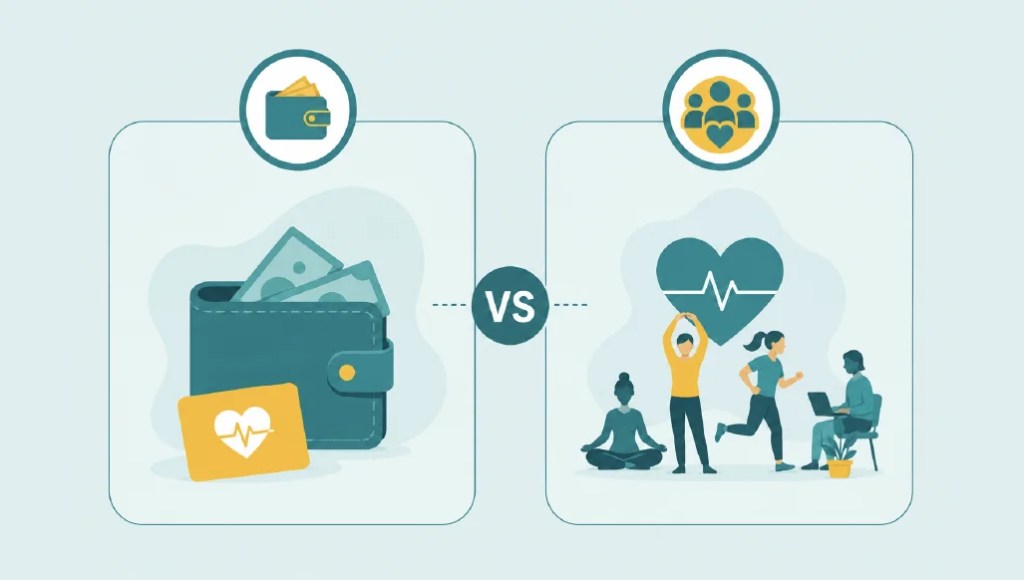
Employee wellness needs vary across roles, schedules, and work environments. As a result, many employers are rethinking how they support employee well-being. Two common approaches are an employee wellness stipend and a traditional wellness program. Both are designed to improve employee well-being, but they work in different ways. A wellness program typically provides company-sponsored activities,…
-
7 Ways Managers Can Become Wellness Champions for Their Teams

Most employees do not experience workplace well-being through company announcements or HR campaigns. Their day-to-day experience is shaped by the person leading them. A supportive leader can make a demanding week feel manageable, while a disengaged one can turn routine pressure into ongoing stress. That’s why the conversation around employee wellness has expanded beyond programs…
-
9 Steps to Shift From a Reactive to a Proactive Employee Wellness Culture
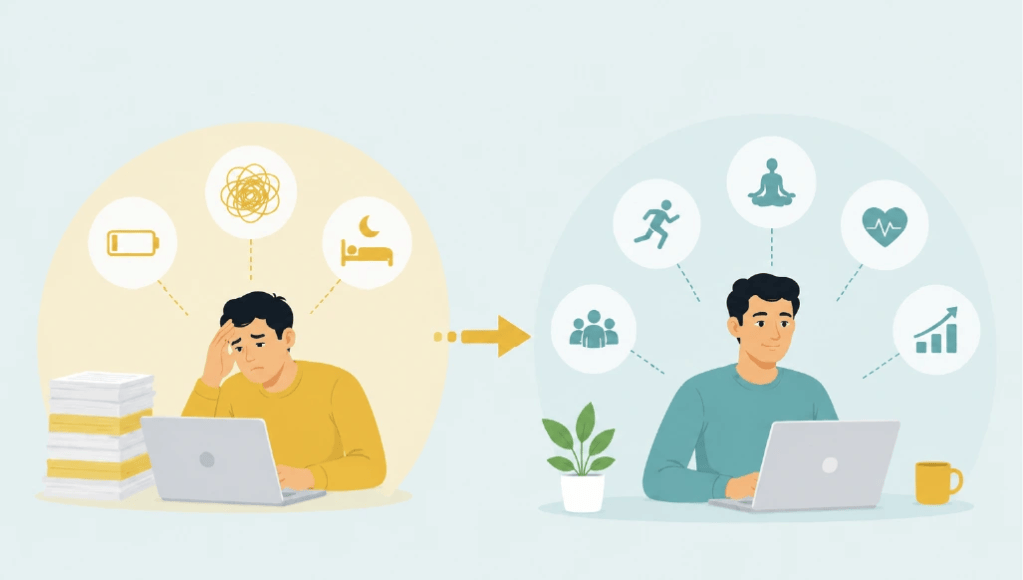
Most organizations invest in wellness only after problems arise: rising absenteeism, burnout, safety incidents, or declining morale. These responses matter, but they rarely address root causes. That’s where preventive employee wellness becomes essential. For HR leaders in manufacturing, retail, and healthcare, this is especially critical. Employees work demanding schedules, spend long hours on their feet,…
-
How Debt Counseling and Investment Advisory Reduce Money Stress for Salaried Employees
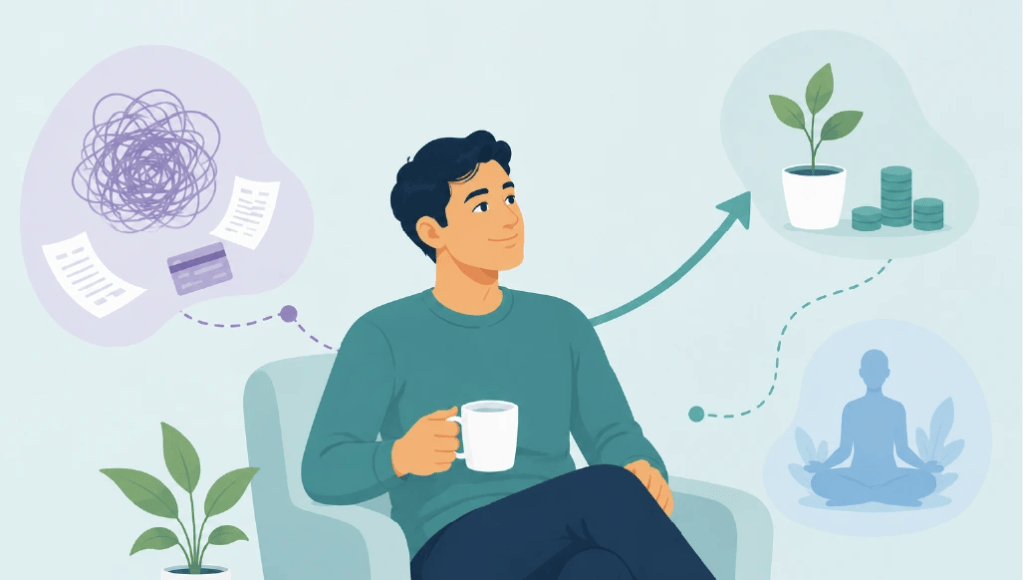
For most salaried employees, money worries do not arrive once a year. They show up every month, in the gap between when the EMI is due and when the salary lands. Rent, school fees, credit card minimums, and a thin savings cushion keep the mind half occupied long after the workday begins. Two benefits move…
-
8 Ways to Design Employee Wellness Programs That Work for Every Generation
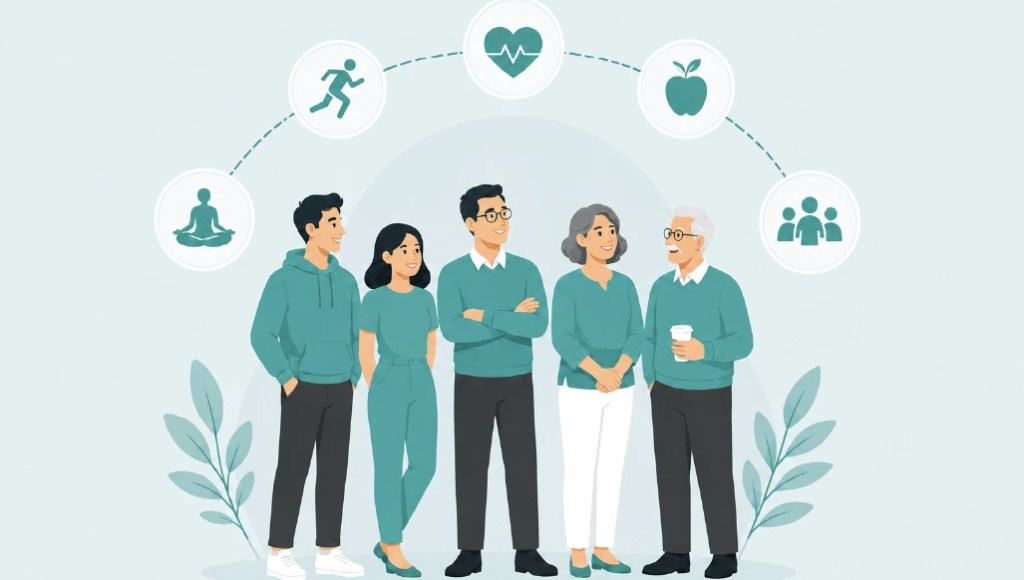
Building an employee wellness program is challenging enough. Making it relevant for a workforce that spans multiple generations can be even harder. Today’s organizations often have employees at very different stages of their personal and professional lives. A recent graduate entering their first job may be looking for mental health support, financial guidance, or opportunities…
-
Which Employee Wellness Benefits to Launch First in a Phased Rollout
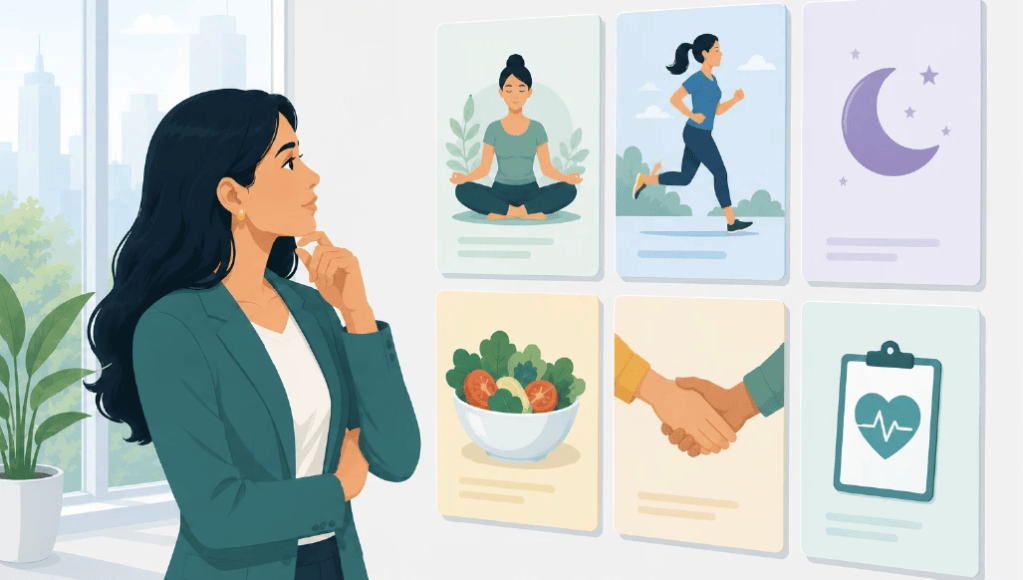
Most wellness programs do not fail because the benefits are wrong. They fail because everything launches at once. Employees get a dozen new tools in week one, attention scatters, and participation stalls before the program proves its value. A phased rollout solves this. By sequencing benefits in a deliberate order, you build early wins, protect…
-
5 Things Employees Expect from Wellness-Focused Managers

Frontline employees in manufacturing plants, retail stores, and healthcare facilities face unique pressures every day. Long shifts, heavy workloads, and constant customer or patient interactions wear on both physical and emotional health. As organizations invest more in employee experience, what employees expect from their managers is changing. HR leaders increasingly recognize that managers need wellness…
-
10 Wellness KPIs Every HR Team Should Be Tracking in 2026
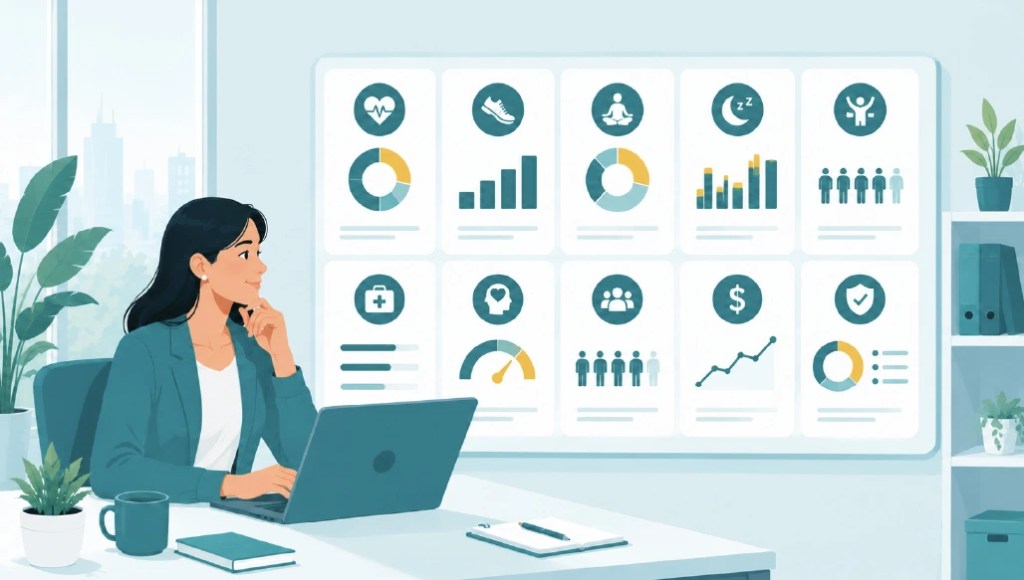
Employee well-being is now a strategic business priority. But many organizations still can’t answer a basic question: Is our wellness program actually working? Wellness program KPIs are what make that question answerable. Participation numbers show activity; they don’t show impact. HR leaders in manufacturing, retail, and healthcare need a clearer picture of how wellness initiatives…
-
6 Signs an Employee Needs a Mental Health Day and How Employers Can Make It Easier to Ask
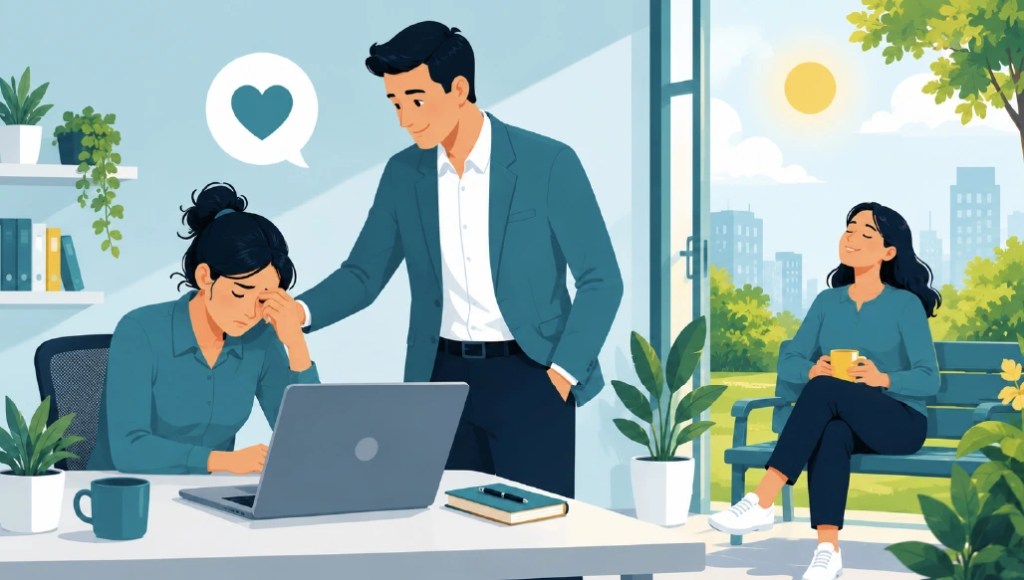
Most employees know when they need a day off. The problem is that many don’t feel comfortable saying why. Someone who is mentally drained can still show up on time, answer emails, and get through their shift. But behind the scenes, stress, emotional fatigue, and constant pressure can make even routine tasks feel harder than…
 Advantage Club Blogs